Reducing Disorder in Work Environments: Strategies to Enhance Productivity and Creativity
Understanding Workplace Disorder
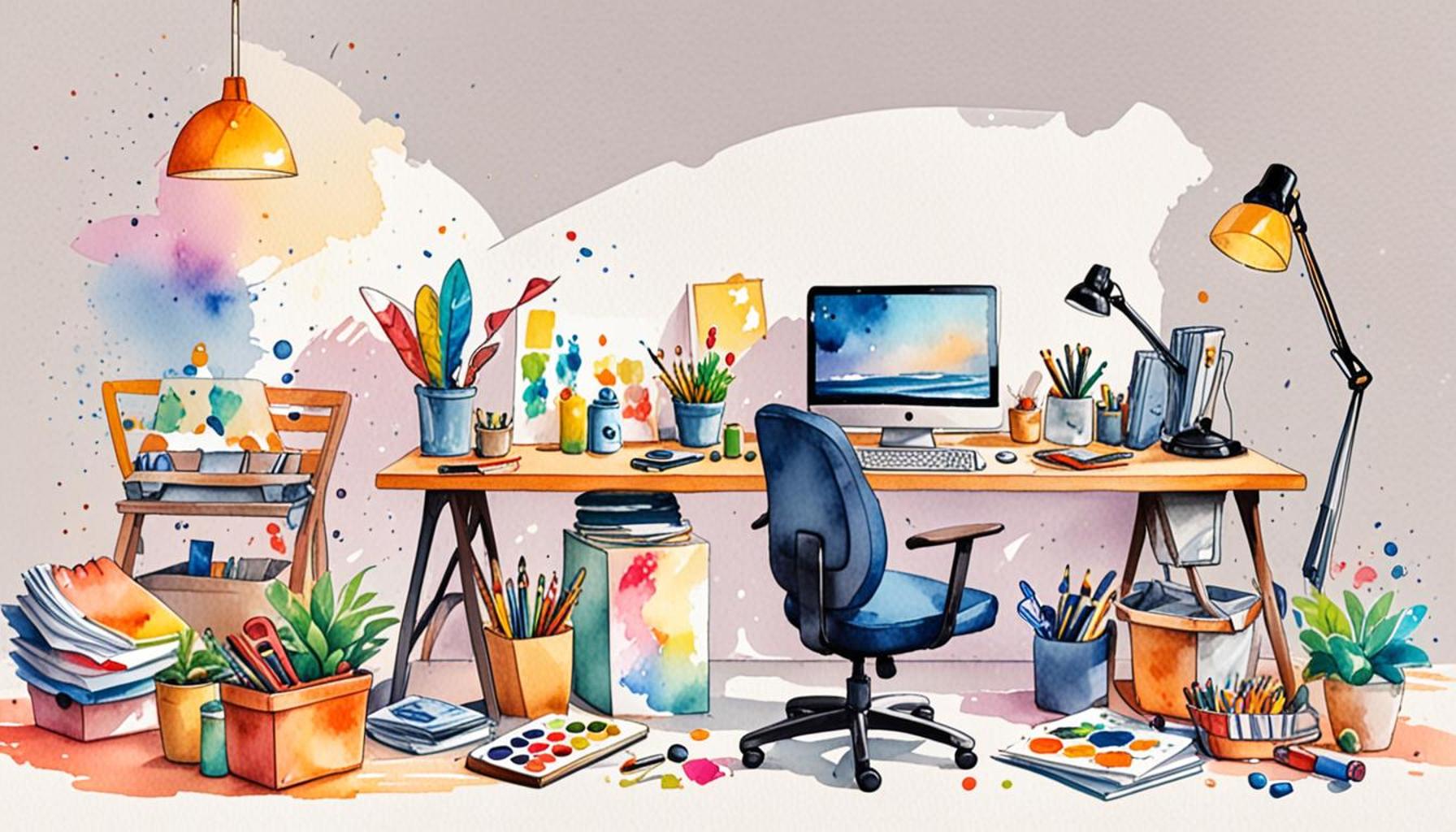
Workplace disorder manifests in various forms, severely affecting an organization’s ability to maintain a high standard of productivity and creativity. In Nigeria, where the balance between traditional work customs and modern business practices is still evolving, it is crucial for organizations to recognize the importance of a well-ordered workspace. Piles of paperwork and cluttered physical spaces are common sights in many Nigerian offices, often due to a lack of effective organizational systems.
The issue of inadequate digital organization is particularly pressing in an age where information is constantly flowing. Many professionals still rely heavily on email and physical documents, leading to vital data being lost in the chaos. This can result in repeated tasks and missed deadlines, which not only affects individual performance but also the collaborative spirit of an organization. For instance, in Lagos, where many companies are adopting agile work practices, disorganization can become a bottleneck, hindering teams from responding quickly to market demands.
The Impact of Disorder on Creativity
Creativity thrives in environments that allow for mental clarity and focus. An orderly environment minimizes distractions, allowing for deeper concentration and innovative thinking. Conversely, when employees are surrounded by clutter, their cognitive load increases, leading to stress and a decline in creative output. An organized workspace signals to employees that their contributions are valued, encouraging them to invest more in their work. A bright, well-maintained office filled with organized resources can inspire an employee to come up with the next groundbreaking idea.
Strategies to Combat Workplace Disorder
Organizations in Nigeria can implement several strategies to combat workplace disorder effectively. Regular decluttering sessions encourage employees to evaluate their workspaces and remove unnecessary items that may impede productivity. Taking time to organize files and eliminate duplicates can expedite the task of accessing the right information when it is needed.
Effective time management techniques are also essential. Training employees on prioritization methods, such as the Eisenhower Box or the Pomodoro Technique, can help them focus on what truly matters, reducing the feeling of overwhelm that often accompanies a disorganized environment.

Furthermore, leveraging technology for task organization is a powerful method to enhance productivity. Tools such as Trello, Asana, or even simple cloud storage solutions for documents can transform chaos into streamlined processes. Companies that invest in digital organization systems empower their teams to work collaboratively and efficiently, which is paramount in today’s fast-paced markets.
By addressing workplace disorder head-on, organizations in Nigeria not only cultivate more functional environments but also create vibrant spaces that can inspire their employees. A commitment to organizational strategies can lead to enhanced morale, better teamwork, and ultimately, a stronger bottom line for businesses navigating the complexities of a rapidly changing economic landscape.
LEARN MORE: This related article may interest you
Creating a Systematic Approach to Workplace Order
In today’s fast-paced work environments, the concept of workplace disorder has become a pressing issue, affecting efficiency and employee morale across various industries. To tackle this challenge effectively, organizations must formulate a systematic approach that aligns with their unique needs and operational styles. The first step in this journey is conducting a meticulous assessment of the current workspace. This evaluation should encompass not only the physical layout of desks and offices but also the technological infrastructure that supports employees’ daily activities.
Identifying areas that undermine both productivity and creativity is crucial for management. For instance, in an office where the layout leads to frequent distractions or where technology fails to meet employees’ needs, recognizing these shortcomings allows for targeted enhancements. By addressing these issues, organizations can create environments that stimulate productivity, fostering a culture of innovation and employee satisfaction.
A practical method to consider is the 5S framework, which has its roots in Japanese manufacturing practices. The 5S methodology includes five key steps: Sorting, Setting in Order, Shining, Standardizing, and Sustaining. Each aspect of this approach plays a fundamental role in maintaining an organized workspace. Here’s a closer look at each step:
- Sort: This step involves identifying and eliminating unnecessary items from the workspace. For example, digital clutter can also hinder work, so reviewing digital folders and files for relevance is equally important.
- Set in Order: After sorting, the next step is to arrange necessary items in a well-organized manner so that they are easily accessible, enhancing workflow efficiency. Color-coded labels and designated spaces can make locating tools quick and intuitive.
- Shine: Regular cleaning and maintenance of the workspace—both physically and digitally—ensures hygiene and helps to maintain clarity and focus. In Nigeria, where dust and humidity can affect electronic devices, this is a particularly relevant practice.
- Standardize: Establishing standardized practices ensures that all employees know the routines to keep order. This could involve developing checklists or protocols, ensuring everyone is on the same page and minimizing the potential for chaos.
- Sustain: The final step emphasizes the importance of ongoing reviews to maintain order for the long term. Scheduling regular walkthroughs to assess cleanliness and organization can keep systems from falling back into disorder.
Moreover, employee engagement is a vital component in minimizing disorder. When team members take ownership of their individual workspaces, it cultivates a sense of responsibility and pride in their environment. Implementing regular feedback sessions can empower employees to share insights about optimizing their work areas. For instance, organizations can initiate brainstorming sessions where employees can express their needs or preferences for tools and resources that enhance their productivity.
Incentive programs also play a crucial role. Initiatives such as recognition awards or small bonuses for maintaining an orderly workspace can elevate employees’ enthusiasm towards organizational tidiness. This can lead to a culture where keeping spaces organized is viewed as a communal effort, engraining such practices into the corporate fabric.
Revisiting Communication Channels
Furthermore, effective communication strategies are pivotal in reducing disorder within any work setting. Oftentimes, chaos stems from misunderstandings or information gaps among team members. By implementing clear communication protocols, organizations can enable seamless collaboration. Digital tools like Slack and Microsoft Teams provide instant messaging and file-sharing capabilities, minimizing the clutter of endless email chains while enhancing cooperation.
Additionally, instituting weekly check-ins can help keep everyone aligned on projects, ensuring that all employees are updated on current tasks and deadlines. This practice encourages accountability and transparency, fostering a cooperative atmosphere that optimally drives productivity. In Nigeria, where diverse teams may have varying work styles, establishing structured communication helps bridge these gaps, creating a more organized and unified workflow.
In summary, reducing disorder in workplace environments is a multifaceted endeavor that extends beyond mere cleanliness or physical organization. It necessitates a comprehensive strategy that values employee input, enhances communication, and implements effective systems. By focusing on these critical areas, organizations in Nigeria can unlock higher levels of creativity and productivity, resulting in enhanced employee satisfaction and overall performance.
| Advantage | Description |
|---|---|
| Improved Focus | A tidy workspace reduces distractions, allowing employees to concentrate on their tasks without interruptions. |
| Enhanced Creativity | A clutter-free environment stimulates innovative thinking and inspires new ideas and approaches. |
In addition to reduced distractions and increased creativity, implementing strategies to reduce disorder in work environments can transform team dynamics and workflows. For instance, integrating organizational tools, such as labeled storage and digital project management systems, encourages collaboration and clarity in task assignments. Companies often find that employees feel more empowered and engaged in their work when they operate in a structured, well-organized environment. Additionally, reducing chaos minimizes the stress associated with finding necessary materials or navigating disorganized spaces, leading to a decline in workplace tension and burnout.Moreover, embracing minimalist design principles not only fosters an aesthetically pleasing atmosphere but also allows essential resources to be easily accessible, further enhancing efficiency. Encouraging employees to personalize their workspace within an organized framework can lead to greater ownership and responsibility towards maintaining order. As organizations adopt these thorough strategies, they lay the groundwork for a more productive and creative workforce.
SEE ALSO: Click here to read another article
Fostering a Culture of Continuous Improvement
To effectively reduce disorder in work environments, it is essential to establish a culture of continuous improvement. This approach encourages constant evaluation and adaptation of workplace practices, creating an atmosphere where productivity and creativity can flourish. In Nigeria, organizations can benefit immensely from integrating feedback loops that promote a cycle of evaluation and enhancement.
Integrating methodologies such as Agile or Lean can be instrumental in this endeavor. These frameworks provide structured methods for teams to periodically assess their workflows, identify inefficiencies, and implement targeted improvements. For example, organizations could adopt Agile sprints to review work done over defined periods, allowing employees to discuss what worked and what didn’t, subsequently refining their processes. This method not only minimizes disorder but significantly amplifies team collaboration and innovation.
Moreover, leveraging technology plays a crucial role in streamlining processes. Utilizing tools like Kanban boards or task management software can help teams visualize workflows, prioritize tasks, and identify areas of congestion. In a fast-growing economy like Nigeria, where businesses face unique challenges, these tools can facilitate quick adaptations to market demands while reducing disarray among employees’ workloads.
Educating and Training Employees
Another fundamental aspect of reducing workplace disorder is employee education and training. It’s not enough to introduce systems if employees do not understand how to engage with them. Regular training sessions that focus on organization best practices, time management, and workplace ergonomics can significantly enhance both productivity and workplace satisfaction. Such initiatives demonstrate a commitment to employee welfare, fostering loyalty and engagement among the workforce.
In Nigeria, organizations can benefit from partnerships with local educational institutions or professional organizations that specialize in workplace training. Collaborating with experts to provide unique insights and localized strategies can empower teams to adopt best practices while considering cultural nuances.
Work-Life Balance as a Strategy
Additionally, acknowledging the importance of work-life balance is paramount in minimizing disorder at work. Often, disorder stems from burnout or job-related stress that can be exacerbated by a lack of balance. Employers can actively foster a healthy work-life equilibrium by promoting flexible work arrangements, such as remote work options or flexible hours, which cater to employees’ needs and reduce the pressure of maintaining order in chaotic schedules.
Furthermore, encouraging breaks and downtime can lead to improved clarity and focus. Employees who take regular breaks tend to enhance their productivity and are more likely to approach tasks with renewed creativity. Companies might implement policies that prioritize wellness initiatives, such as meditation sessions or recreational activities, nurturing a more organized atmosphere as employees return rejuvenated.
Physical and Digital Workspace Harmonization
Achieving harmony between the physical and digital workspace is yet another strategy to effectively reduce disorder. With increasing reliance on digital tools, it’s important for organizations to ensure that both spaces—physical and virtual—are organized coherently. Implementing protocols for organizing digital files, such as consistent naming conventions or cloud storage practices, can mirror the order established in physical workspaces, reinforcing the overall strategy to enhance productivity and creativity.
In Nigeria, where many organizations are undergoing digital transformation, establishing a clear set of guidelines for digital workspace management can prevent the accumulation of digital clutter that disrupts workflow. Training employees on these new systems can bridge any gaps between physical and digital organization, enriching overall company efficiency.
In conclusion, implementing a multifaceted approach that includes fostering a culture of improvement, investing in employee training, prioritizing work-life balance, and harmonizing the physical and digital workspace is essential. By addressing these areas, organizations can significantly reduce disorder, unleashing creativity and productivity that propel corporate success.
ADDITIONAL INSIGHTS: Expand your understanding here
Conclusion
In the quest for enhancing productivity and creativity in the workplace, the importance of reducing disorder cannot be overstated. As examined in this article, a holistic strategy that encompasses fostering a culture of continuous improvement, investing in employee education and training, promoting work-life balance, and harmonizing both physical and digital workspaces is vital for organizational success. In Nigeria’s dynamic business landscape, where adaptability is essential, these strategies can help organizations navigate challenges while optimizing performance.
Additionally, it is crucial for businesses to continually assess their environments, responding proactively to emerging issues that impact overall efficiency. The integration of tools tailored to streamline processes effectively, such as digital task management systems, not only minimizes disarray but enhances employee engagement. As organizations invest in their teams, providing adequate support and training, they foster a committed workforce ready to contribute creatively and collaboratively.
Ultimately, reducing disorder is not merely about maintaining cleanliness or organization; it is about creating a thriving atmosphere where employees feel valued and empowered. By embracing these strategies, Nigerian organizations can cultivate an environment that not only meets the demands of today’s market but also inspires innovation and drives sustainable growth. As businesses evolve, prioritizing the reduction of disorder will be key to unlocking full potential—both for individuals and the organization as a whole.
Related posts:
Mental Disorder: How Reducing Physical Items Can Calm the Mind and Increase Productivity
Practical Strategies to Reduce Clutter in Small Spaces in Nigeria
Digital Organization: Reducing Virtual Clutter in a Connected World
The Psychology of Disorder: Understanding How the Reduction of Items Affects Our Perception of Time ...
Reducing Disorder in Everyday Life: Simple Practices to Create Calm and Functional Spaces
Creating a Sustainable Lifestyle: Reducing Clutter as a Path to Ecological Awareness

Linda Carter is a writer and organization expert specializing in minimalism and personal organization. With extensive experience helping individuals create clutter-free, functional spaces and adopt mindful habits, Linda shares her knowledge on our platform. Her goal is to empower readers with practical advice and strategies to simplify their lives, stay organized, and achieve a sense of calm and balance in their daily routines.