Mindfulness and Minimalism: Creating Living Spaces that Promote Mental Clarity
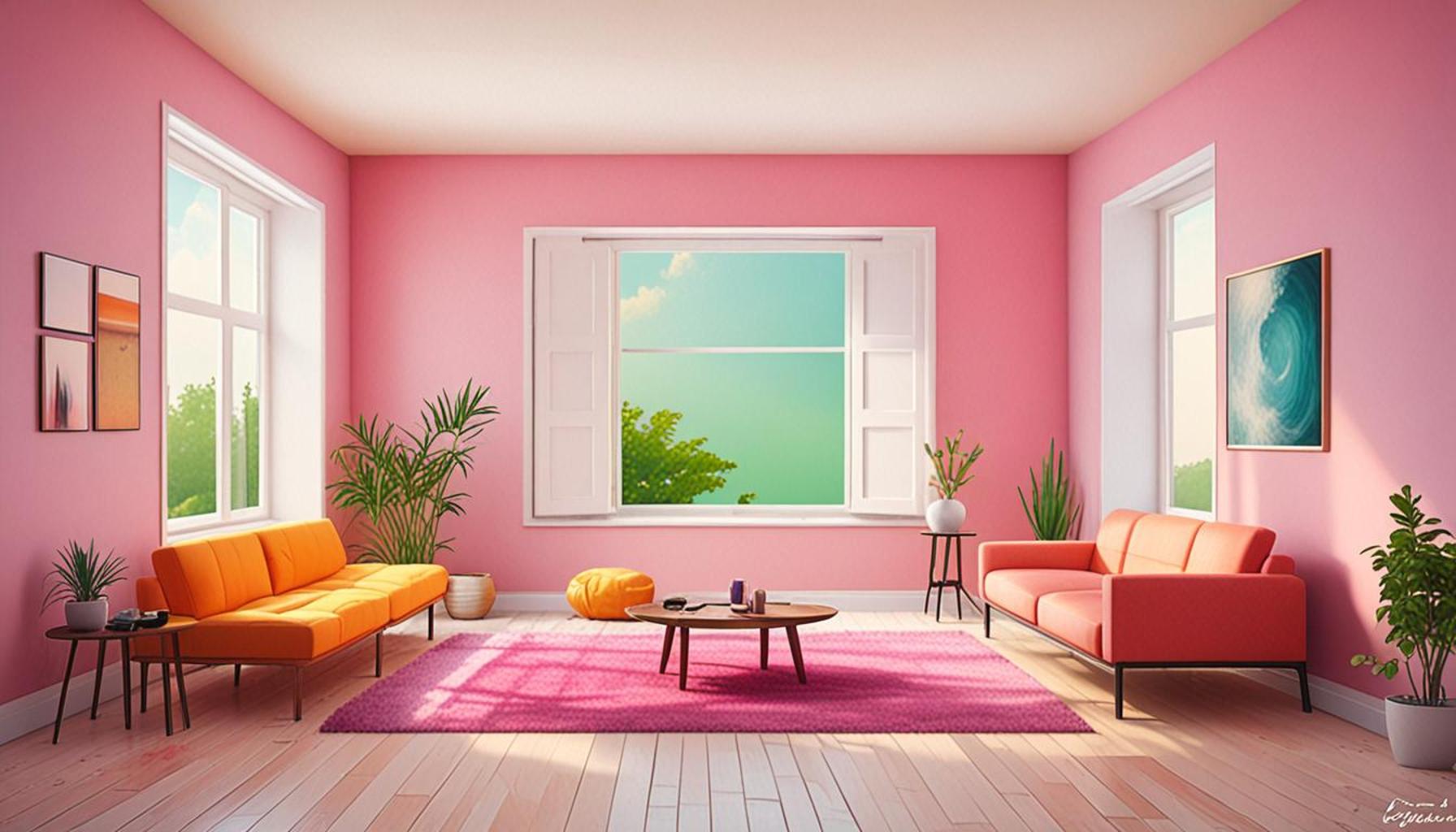
Understanding the Role of Minimalism and Mindfulness
As the pace of life accelerates in urban areas across Nigeria—whether it’s the hustle of Lagos or the cultural richness of Enugu—the mental clutter can become overwhelming. There’s a growing consensus among enthusiasts and professionals alike that incorporating mindfulness with minimalism serves as a balm for the pressures of modern living. If you are contemplating a lifestyle reset, these intertwined concepts could offer profound benefits.
Decluttering for Mental Space
One of the primary steps toward achieving a clearer mind is decluttering. This involves more than just clearing physical objects; it’s about letting go of emotional baggage as well. Begin by evaluating items within your home—ask yourself if each item brings you joy or serves a useful purpose. For instance, clothes that have not been worn for a year or gadgets that sit idle can be donated or sold. This process not only frees your space but also your mind, allowing you to focus on what truly matters. In Nigeria, the art of giving back can turn your decluttering efforts into a community service opportunity. Imagine contributing to the lives of those in need while enhancing your own living environment.
Intentional Design for Tranquility
Once you’ve created a clutter-free environment, the next step is intentional design. Investing in well-crafted furniture that is both functional and aesthetically pleasing can enhance your living space exponentially. For example, a low bench made from local wood can serve as both a seat and a decorative piece, promoting a connection to Nigerian craftsmanship. Focus on pieces that promote calmness; soft colors and natural materials can transform a room into a peaceful sanctuary. This mindful selection process encourages you to reflect on your values and design a home that truly represents who you are.
Harnessing Natural Light for Upliftment
Lastly, consider the impact of natural light in your home. Studies have shown that exposure to natural light can improve mood and reduce feelings of anxiety. In a place like Nigeria, where sunlight is abundant, maximizing daylight through strategically placed windows or open spaces can bring warmth and vitality into your home. Use light, sheer curtains to allow sunlight to filter in while maintaining privacy.
Imagine stepping into a home that resonates with your identity, combining simplicity with functionality. By embracing principles of mindfulness and minimalism, you can craft a comfortable living space that also serves as a mental refuge. This commitment to achieving clarity in both your environment and mind could lead to lasting joy and tranquility in your everyday life. As you embark on this journey, remember that the path toward mindfulness is unique for everyone. Seek to discover what resonates with you and enjoy the process of transformation.
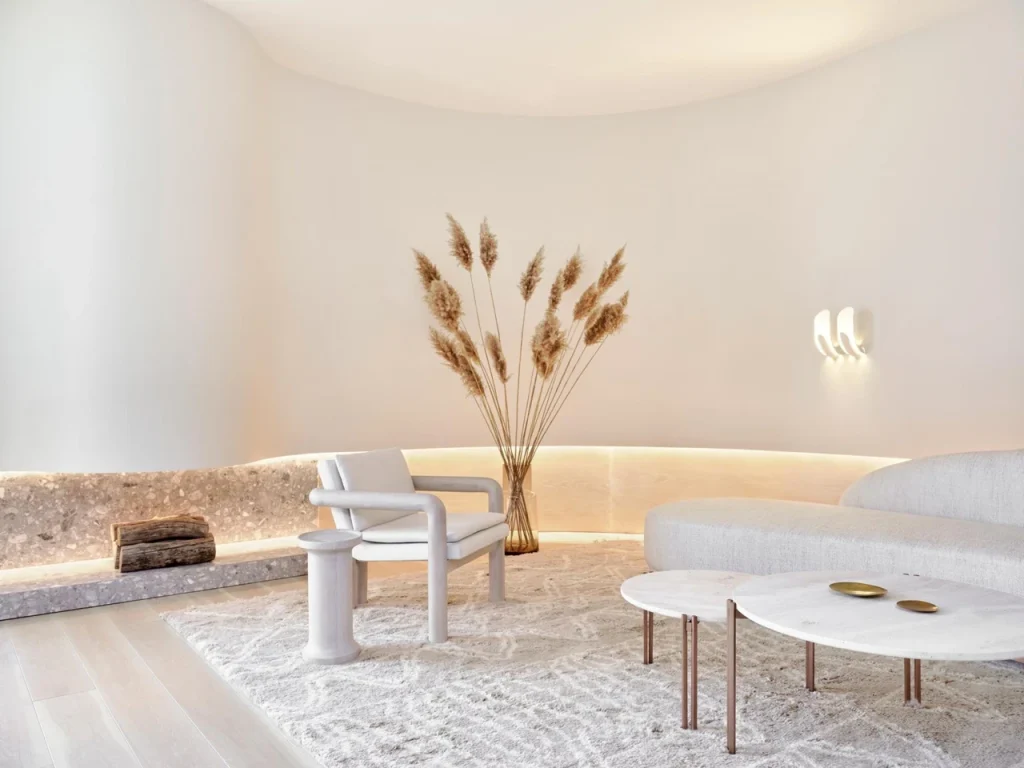
CHECK OUT: Click here to explore more
Creating a Balance: The Intersection of Mindfulness and Minimalism
In the journey toward mental clarity, understanding the synergy between mindfulness and minimalism is essential. While mindfulness encourages us to be present and aware of our thoughts and surroundings, minimalism cultivates an environment that supports this awareness. To elevate your living space into a realm that fosters peace and focus, it is important to explore the principles of both concepts.
The Mental Impact of Clutter
Research indicates that physical clutter can create feelings of chaos and anxiety. According to a study published in the American Psychological Association, disorganized environments can negatively impact our ability to concentrate and function effectively. This is particularly relevant in Nigeria, where fast-paced living can lead to accumulating items that no longer serve a purpose. By engaging in a decluttering process, individuals not only create physical space but also pave the way for psychological tranquility.
Consider these practical steps for a successful declutter:
- Establish a Decluttering Schedule: Designate specific days to tackle different areas of your home.
- Employ the Four-Box Method: Use boxes labeled “Keep,” “Donate,” “Trash,” and “Unsure” to systematically evaluate each item.
- Prioritize Emotional Connection: Identify items that hold emotional significance versus those that are merely occupying space.
By following these steps, you can unclutter your environment and make room for clarity and peace.
Embracing Open Spaces
In addition to decluttering, the concept of open spaces within your home plays a crucial role in promoting mindfulness. Open, airy environments can trigger feelings of freedom and lightness, as opposed to densely furnished rooms that can constrict energy flow. For instance, in Nigerian homes, creating zones with multifunctional furniture allows for flexibility, enabling residents to adapt spaces for varying activities, such as relaxation, work, and socialization.
To incorporate open spaces effectively, consider the following tips:
- Reduce Visual Noise: Choose fewer decorative items to maintain a clean aesthetic.
- Utilize Mirrors: Position mirrors strategically to enhance the sense of space and reflect natural light.
- Open Shelving: Opt for open shelves instead of closed cabinets, allowing for a sense of openness while keeping essentials visible and accessible.
By implementing open space strategies, your home will not only feel larger but also more welcoming and calming.
A Mindful Approach to Color and Texture
A vital component of creating a harmonious living space revolves around color and texture. Soft, muted colors can evoke serenity, while the textures of natural materials can make your space feel alive and inviting. For instance, consider using cotton or linen fabrics for cushions and throws to provide comfort without overwhelming your senses. Earthy tones combined with carefully selected textures create a perfect blend, drawing you closer to nature, which is encouraged in mindfulness practices.
Ultimately, by blending mindfulness and minimalism, each individual has the opportunity to transform their living space into a haven of mental clarity, thus enriching their daily existence in the dynamic Nigerian landscape.
| Aspect | Benefits |
|---|---|
| Open Spaces | Encourages freedom of movement and mental clarity by reducing visual clutter. |
| Natural Light | Enhances mood and supports emotional wellness by combating feelings of isolation and gloom. |
| Neutral Colors | Promotes a calm atmosphere conducive to focus and relaxation. |
| Mindful Decor | Encourages sustainable choices that resonate with one’s personal values and intentions. |
Incorporating elements of mindfulness and minimalism into your living spaces can transform how you interact with your surroundings. By focusing on open spaces, you allow for better air circulation and light, which can significantly influence mood and cognitive function. Natural light plays a crucial role in enhancing emotional well-being, improving both focus and productivity.The use of neutral colors creates a serene backdrop to your daily activities, allowing you to breathe easier and think more clearly. Furthermore, mindful decor—choosing pieces that align with your values—can imbue your home with personal significance. This creates a deliberate living space that not only brings joy but also reassures your sense of identity amidst the chaos of modern life. Such lifestyle choices do not merely serve aesthetic purposes; they are foundationally linked to increasing mental clarity and promoting an overall sense of peace.
YOU MAY ALSO LIKE: Read read another article
Integrating Nature: Biophilic Design for Mindfulness
One of the most effective ways to enhance mindfulness and minimalism in your living spaces is through the incorporation of natural elements. The concept of biophilic design emphasizes the human connection to nature, suggesting that the presence of natural features can significantly improve mental clarity and well-being. In Nigeria, where nature is abundant, integrating greenery into your home can be both practical and aesthetically pleasing.
For example, the use of indoor plants not only purifies the air but also brings life and vibrancy to your surroundings. Research conducted by the Journal of Environmental Psychology shows that interacting with plants can reduce stress levels and increase cognitive function. Here are some practical ways to embrace biophilic design:
- Choose Low-Maintenance Plants: Incorporate plants such as snake plants or pothos, which thrive in various light conditions and require minimal care.
- Utilize Natural Light: Position furniture strategically to allow for maximum light exposure, enhancing the sense of openness and warmth.
- Create a Garden Nook: If space allows, dedicate an area for a small herb or vegetable garden, promoting mindfulness through the therapeutic act of gardening.
Incorporating these elements can transform your living space into an immersive environment that fosters tranquility and focus.
Simplistic Design Principles
Adopting sophisticated yet simplistic design principles can greatly enhance mindfulness in your living spaces. Incorporating pieces that are multifunctional and aesthetically pleasing can eliminate unnecessary chaos without sacrificing style. This approach aligns with both minimalism and mindfulness by prompting thoughtful selection over impulsive consumption.
For instance, consider investing in furniture that serves dual purposes, like a coffee table that doubles as a storage unit or a sofa bed that accommodates guests. Such items not only save space but also simplify your day-to-day living by reducing clutter. Key principles to keep in mind include:
- Neutral Color Palettes: Use colors like whites, beiges, and pastels to create a calming effect that prevents overstimulation.
- Simplified Decor: Embrace clean lines and minimalist shapes in your decor choices, focusing on the beauty of simplicity.
- Quality Over Quantity: Invest in fewer, high-quality pieces that you truly love, avoiding the pitfalls of over-decorating or hoarding.
By implementing these design principles, your living area becomes a testament to mindful living, where each piece serves a purpose that resonates with mental clarity.
The Role of Sound and Scent in Mindful Living Spaces
While visual aesthetics play a significant role in fostering mindfulness, sound and scent are equally important. The auditory environment can impact mental clarity, with calming sounds—such as soft music or nature sounds—facilitating focus and relaxation. In many Nigerian homes, thoughtful soundscapes can enhance the atmosphere, promoting mindfulness through auditory harmony.
Moreover, the sense of smell is a powerful influencer of emotions and memories. Utilizing essential oils or scented candles can create a soothing ambiance, making your living space feel more inviting. Some actionable ideas include:
- Calming Sound Machines: Consider using sound machines that play gentle rain or ocean waves to create a serene background atmosphere.
- Aromatherapy: Experiment with scents like lavender or eucalyptus, known for their calming properties, to promote relaxation.
- Mindful Consumption of Media: Curate your audio and visual content, focusing on peaceful and uplifting materials that reflect mindfulness values.
By being intentional about the auditory and olfactory experiences within your space, you reinforce the principles of mindfulness and minimalism, enriching your daily life amidst the vibrant atmosphere of Nigeria.
LEARN MORE: This related article may interest you
Embracing Mindfulness and Minimalism for a Clear Mind
In conclusion, adopting the principles of mindfulness and minimalism can profoundly impact our living spaces and, subsequently, our mental clarity. By consciously designing environments that prioritize simplicity and intentionality, we create sanctuaries that reflect inner peace and foster productivity. Emphasizing the integration of natural elements through biophilic design, we not only enhance our surroundings but also reaffirm our connection to nature, ultimately improving our emotional and cognitive well-being.
The implementation of simplistic design principles—such as neutral color palettes and multifunctional furniture—encourages a clutter-free environment that nurtures focus and creativity. Furthermore, the attention to auditory and olfactory experiences in our homes contributes significantly to a holistic approach to mindfulness. Incorporating soothing sounds and calming scents transforms our space into a welcoming haven for relaxation and contemplation.
As we navigate daily life amidst Nigeria’s vibrancy, it is essential to carve out spaces that embody tranquility, allowing us to reset and recharge. By fostering a mindset that values quality over quantity, we open ourselves to a lifestyle that champions clarity and intentional living. Ultimately, the journey towards mindful minimalism is not just about the spaces we inhabit; it is a conscious choice to cultivate a harmonious relationship with our environments, leading to a more fulfilled and centered life.
Related posts:
How Mindfulness Practice Can Increase Efficiency in Personal Organization in a Minimalist Lifestyle
Cultivating Gratitude: The Intersection of Mindfulness, Minimalism, and Personal Satisfaction
The Practice of Mindfulness in Daily Life: Simplifying the Mind and Space
Mindfulness and Digital Minimalism: Cultivating a Simpler Online Life
How Mindfulness Practice Can Increase Efficiency in Personal Organization
The Impact of Mindfulness on Emotional Organization: Creating Internal and External Spaces of Clarit...

Linda Carter is a writer and organization expert specializing in minimalism and personal organization. With extensive experience helping individuals create clutter-free, functional spaces and adopt mindful habits, Linda shares her knowledge on our platform. Her goal is to empower readers with practical advice and strategies to simplify their lives, stay organized, and achieve a sense of calm and balance in their daily routines.