Maximize Small Spaces Efficient Strategies for Minimalist Living
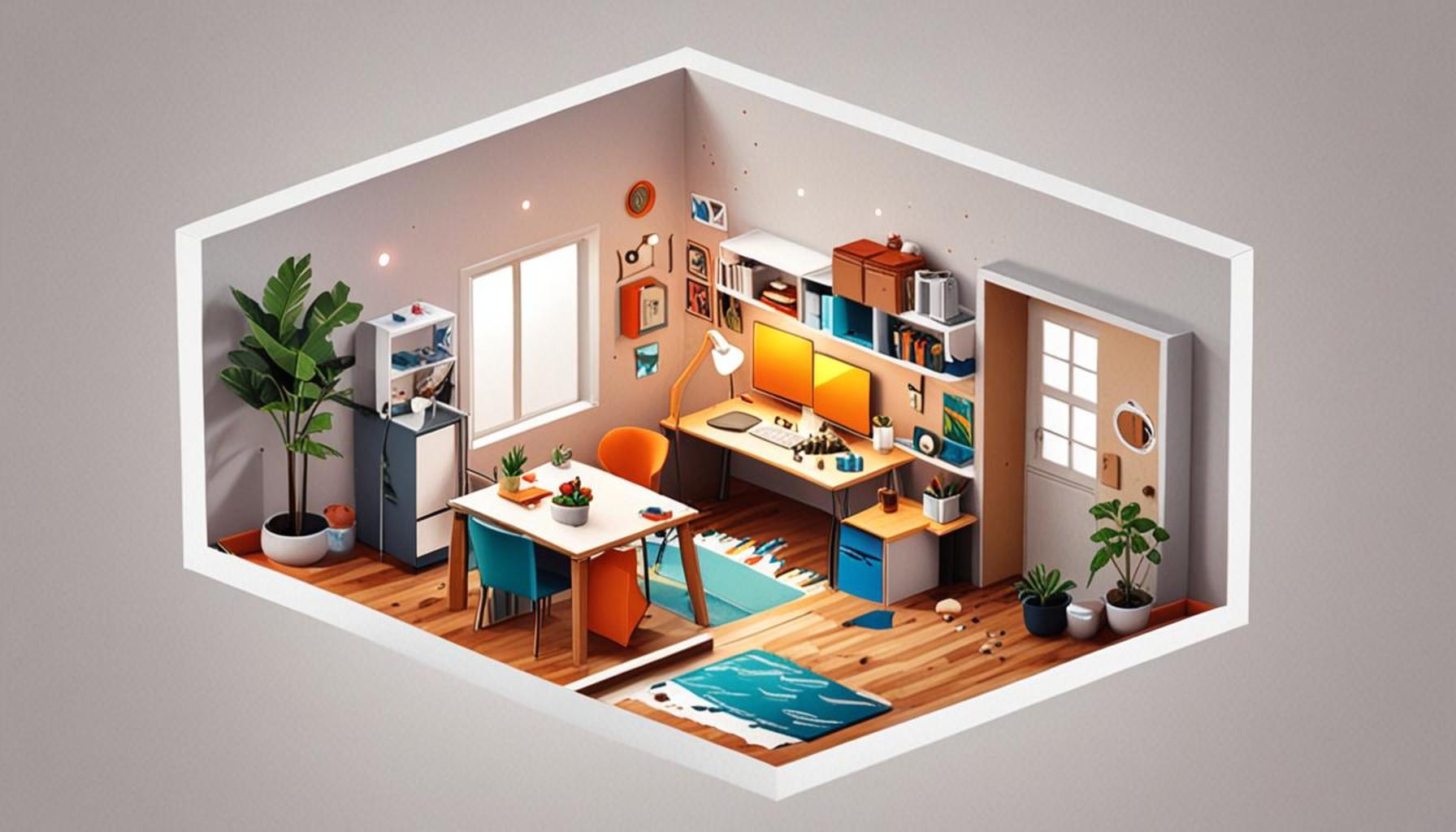
Unlocking Potential in Every Corner
In an era where minimalism is gaining traction as a lifestyle choice, finding ways to optimize small spaces has become increasingly relevant. Whether you live in a cozy apartment or a compact home, the challenge of creating an efficient living environment is universal. A minimalist approach not only enhances your home aesthetic but also promotes mental clarity and personal organization.
Adopting strategies for small spaces allows for creative solutions that reflect your style while maintaining functionality. By focusing on what truly matters, you can transform your environment into a sanctuary of peace. This article will guide you through the essentials of maximizing small spaces, preparing you to discover the Top 5 Strategies that can redefine your living experience.
- Understanding the principles of minimalism
- Exploring multifunctional furniture
- Utilizing vertical space
- Incorporating smart storage solutions
- Creating a cohesive design aesthetic
Maximizing Small Spaces: Spatial Efficiency Strategies for Minimalist Environments
Living in small spaces presents distinctive challenges, especially when it comes to maintaining organization and efficiency. However, the rise of minimalism teaches us new ways to manage and optimize even the most constrained environments. This article aims to rank the top five strategies for maximizing small spaces, enabling both aesthetic appeal and functional minimalism. Each strategy provides unique insights that could inspire you to reinvent your living or working environments, leading to a more harmonious lifestyle.
5. Invest in Multi-functional Furniture
One of the most impactful ways to maximize space is by incorporating multi-functional furniture. This kind of furniture performs multiple roles, significantly reducing clutter and enhancing functionality in small areas. Imagine a living room sofa that transforms into a bed at night, or a dining table that expands to accommodate family gatherings yet folds to a compact size when not in use. Consider these versatile items:
- Storage ottomans not only offer seating but also provide convenient, hidden storage for items like blankets or magazines.
- Wall beds, or Murphy beds, fold seamlessly into a wall unit, offering extra space that can be utilized throughout the day.
- Expandable dining tables grow in size to adapt to your hosting needs, shrinking back to suit an intimate dinner or breakfast nook.
By strategically selecting multi-functional furniture, you can juggle form and function, ensuring your space remains as open and streamlined as possible.
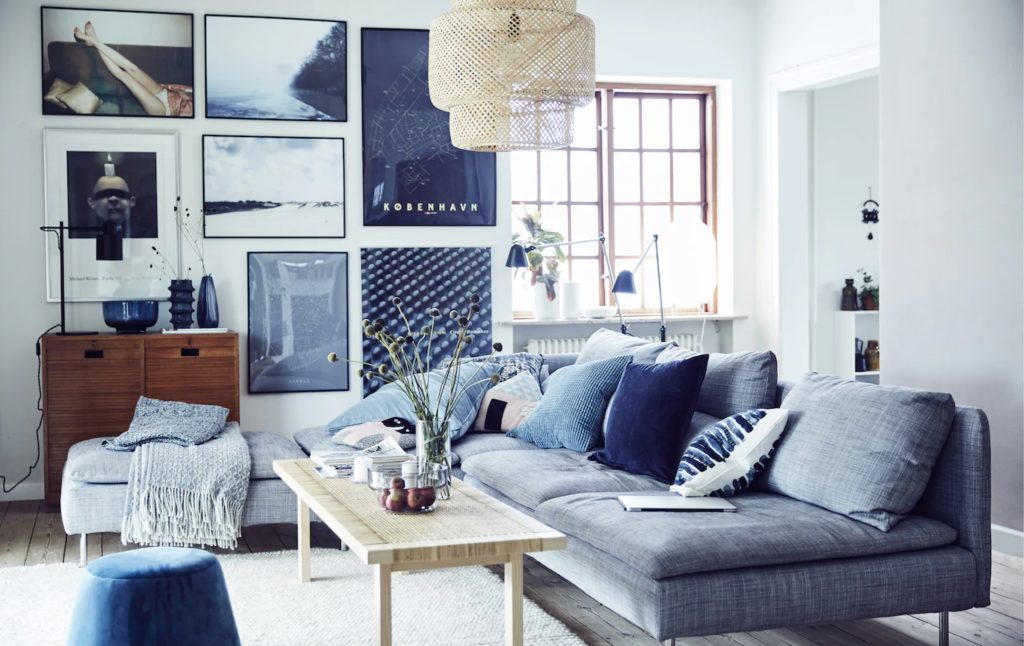
4. Utilize Vertical Space
When faced with limited floor space, it becomes crucial to look upwards. The strategy of capitalizing on vertical space can add dimension and utility to your home. This approach is particularly beneficial in areas like kitchens and living rooms, where horizontal space is often at a premium. Here are a few effective ideas for using your vertical real estate:
- Floating shelves, which not only free up floor space but also serve as a platform to display books, art, and personal mementos.
- Wall-mounted racks are perfect for organizing kitchen tools, hanging pots, pans, or even showcasing verdant indoor plants.
- Tall cabinets with adjustable shelving provide expansive storage and are ideal for maximizing narrow areas, while reaching ceiling height.
By effectively employing your walls, you can reduce clutter and cultivate a visually appealing organizational scheme that breathes new life into your small spaces.
3. Declutter Regularly
A core tenet of minimalism is maintaining a nimble living space through regular decluttering. Practicing this discipline prevents the slow accumulation of needless items and allows you to maximize both physical and mental space. Here are some practical tips for regular decluttering:
- Make decluttering a weekly habit by setting aside time to go through belongings and assess their necessity.
- Adopt the “one in, one out” policy, ensuring that whenever you acquire something new, you part with something old.
- Periodically donate or sell items that no longer serve a purpose to make room for what truly matters.
By committing to an ongoing cycle of evaluation and removal, you create a more serene and functional space that epitomizes simple living and minimalist ideals.
2. Create Zones in Open Spaces
Open floor plans might occasionally feel unfocused, yet they hold immense potential if optimized by creating zones. Allocating specific functions to different segments of an open space increases its utility and ensures smoother transitions from one activity to another. Consider these zoning strategies:
- Utilize rugs to demarcate living sections such as dining, lounging, or working areas, instantly distinguishing their purposes.
- Strategic furniture placement encourages social interaction in designated areas while maintaining clear separations.
- Screens or curtains can provide non-permanent separation, allowing flexibility and adaptation of the layout as required.
Organizing your open spaces into distinct zones helps cultivate balance and coherence, making these small areas feel larger and more functional.
1. Prioritize Minimalism and Mindful Design
The essence of maximizing small spaces rests in the principle of minimalism and mindful design. This philosophy underlines the importance of excising superfluous elements to enhance what truly brings value and joy. Effective minimalist design focuses on quality, carefully selecting a few impactful items over an abundance of trivial objects. Key tenets include:
- Embracing a neutral color palette to foster a calming atmosphere that offers the illusion of expanded space.
- Maximizing natural light, keeping windows unobstructed to harness its transformative powers in brightening and enlarging an area visually.
- Adhering to a ‘less is more’ mindset when it comes to décor, allowing each chosen piece to shine.
Adopting a minimalist mindset combined with intentional design elements creates harmonious, beautiful spaces that are both efficient and uplifting to inhabit.
In conclusion, maximizing small spaces demands an amalgamation of resourceful furniture choices, vertical utilization, consistent management, purposeful zones, and a commitment to minimalist philosophies. By implementing these strategies, you can transform your tiny home or office into a sophisticated sanctuary of style and substance.
| Category | Details |
|---|---|
| Multifunctional Furniture | This type of furniture serves multiple purposes, allowing small spaces to maximize utility without clutter. For example, a sofa bed can function as a couch during the day and a bed at night, effectively serving two needs in one piece. |
| Vertical Storage Solutions | Utilizing wall space for storage can free up precious floor area. Installing shelves or cabinets that reach up to the ceiling not only provides additional storage but also draws the eye upward, creating an illusion of height in the room. |
| Decluttering Techniques | Adopting a decluttering mindset is essential for small spaces. Regularly evaluating items and removing unnecessary belongings help maintain an organized environment. This process can also include donating items or employing digital solutions for paperwork, clearing physical space effectively. |
| Lighting Enhancements | Strategic lighting can transform a small area. Well-placed mirrors and bright lighting enhance the perception of space and make rooms feel larger. Natural light solutions, such as sheer curtains, can also enhance the ambiance and improve mood. |
Frequently Asked Questions About Maximizing Small Spaces
How can I make small spaces look bigger?
One of the most effective strategies is to use mirrors to create the illusion of depth, which can significantly open up a room. Additionally, choosing a light color palette, especially whites and soft hues, can reflect more light and make the space feel airy. It’s crucial to capitalize on vertical space by installing shelves or tall furniture pieces to draw the eye upward, creating an impression of height. Combining these tactics with strategically placed lighting can transform even the smallest of rooms.
What are the best furniture choices for small spaces?
When space is at a premium, every piece of furniture counts. Opt for multifunctional furniture, such as a sofa bed or a coffee table with storage compartments. Folding furniture, like collapsible chairs or wall desks, can be incredibly efficient. Another tip is to choose furniture with legs to create a sense of openness and avoid bulky pieces that can overwhelm the area. Remember, less is often more when it comes to furnishing small spaces.
How can minimalism contribute to efficient space utilization?
Minimalism focuses on reducing clutter, which naturally lends itself to more efficient use of space. By maintaining only the essentials, you not only free up physical space but also create a more harmonious environment. This lifestyle encourages intentional purchasing, steering clear of unnecessary items that could potentially crowd a small area. The philosophy of ‘less but better’ can profoundly impact the functionality and aesthetic appeal of your home.
Are there any specific design styles that work well in small spaces?
Yes, certain design styles are better suited for small areas. Scandinavian design, known for its simplicity and functionality, often features light colors, clean lines, and minimal décor—qualities that harmonize well with small spaces. Japanese design, with its focus on tranquility and space-saving furniture, is another excellent option. Both styles emphasize practicality and beauty, making them ideal for maximizing confined areas.
What role does organization play in maximizing small spaces?
Organization is absolutely key in making the most of a small space. Effectively utilizing storage solutions such as closet organizers, labeled bins, and drawer dividers can dramatically enhance your living experience. Establishing a routine to regularly declutter ensures that items don’t accumulate unnecessarily. An organized home not only optimizes space use but also reduces stress by creating a more manageable environment.
Conclusion: Embracing Minimalism Through Spatial Efficiency
In exploring strategies for maximizing small spaces, we have uncovered a multitude of approaches that blend practicality with the philosophy of minimalism. Embracing this lifestyle not only transforms physical environments but also promotes mental clarity and a more intentional way of living. Throughout the article, we delved into five key areas: optimizing vertical space, selecting multifunctional furniture, maintaining organization, employing smart storage solutions, and emphasizing thoughtful design elements.
First, utilizing vertical space allows us to make the most of untapped potential within our surroundings. By integrating shelving, hanging planters, and loft structures, we can expand our usable area without feeling confined. Additionally, investing in multifunctional furniture proves crucial for efficiency, allowing a single piece to serve multiple purposes and reduce clutter.
Organization emerges as a pivotal factor in sustaining a minimalist environment. Maintaining a decluttered space through regular assessments and strategic use of storage solutions ensures that every item has its designated place. Moreover, adopting smart storage options, such as hidden compartments and modular designs, further facilitates seamless organization.
Lastly, the aesthetic aspect should not be underestimated. Thoughtful design elements, particularly those that leverage light and color, can drastically influence the perception of space, making even the smallest quarters feel open and inviting. As we conclude, it becomes apparent that the true essence of minimalism extends beyond physical arrangements—it is about nurturing a lifestyle that prioritizes authenticity, functionality, and purpose.
Ultimately, the strategies discussed offer practical and inspiring solutions for harnessing the power of minimalism to revolutionize our living spaces. With these insights, we are empowered to create environments that are not only efficient but also profoundly reflective of our individual values and needs. As this lifestyle continues to gain traction, the emphasis on spatial efficiency remains ever relevant, encouraging us to explore new frontiers in personal organization and design.
Related posts:
Organization Strategies for Storage Spaces in Multifunctional Rooms in Nigeria
The importance of spatial efficiency in personal organization: Transforming disorder into harmony
How to Optimize Small Spaces for Minimalist Living: Practical Tips for Apartments in Nigeria
Maximizing Small Spaces: Minimalist Organization Tips for Apartments in Lagos
How to Use Colors and Textures to Enhance the Sense of Space in Minimalist Homes in Nigeria
Vertical Organization Techniques: Optimizing Spaces in Nigerian Homes Through Shelves and Suspended ...

Linda Carter is a writer and organization expert specializing in minimalism and personal organization. With extensive experience helping individuals create clutter-free, functional spaces and adopt mindful habits, Linda shares her knowledge on our platform. Her goal is to empower readers with practical advice and strategies to simplify their lives, stay organized, and achieve a sense of calm and balance in their daily routines.