How to Use Colors and Textures to Enhance the Sense of Space in Minimalist Homes in Nigeria
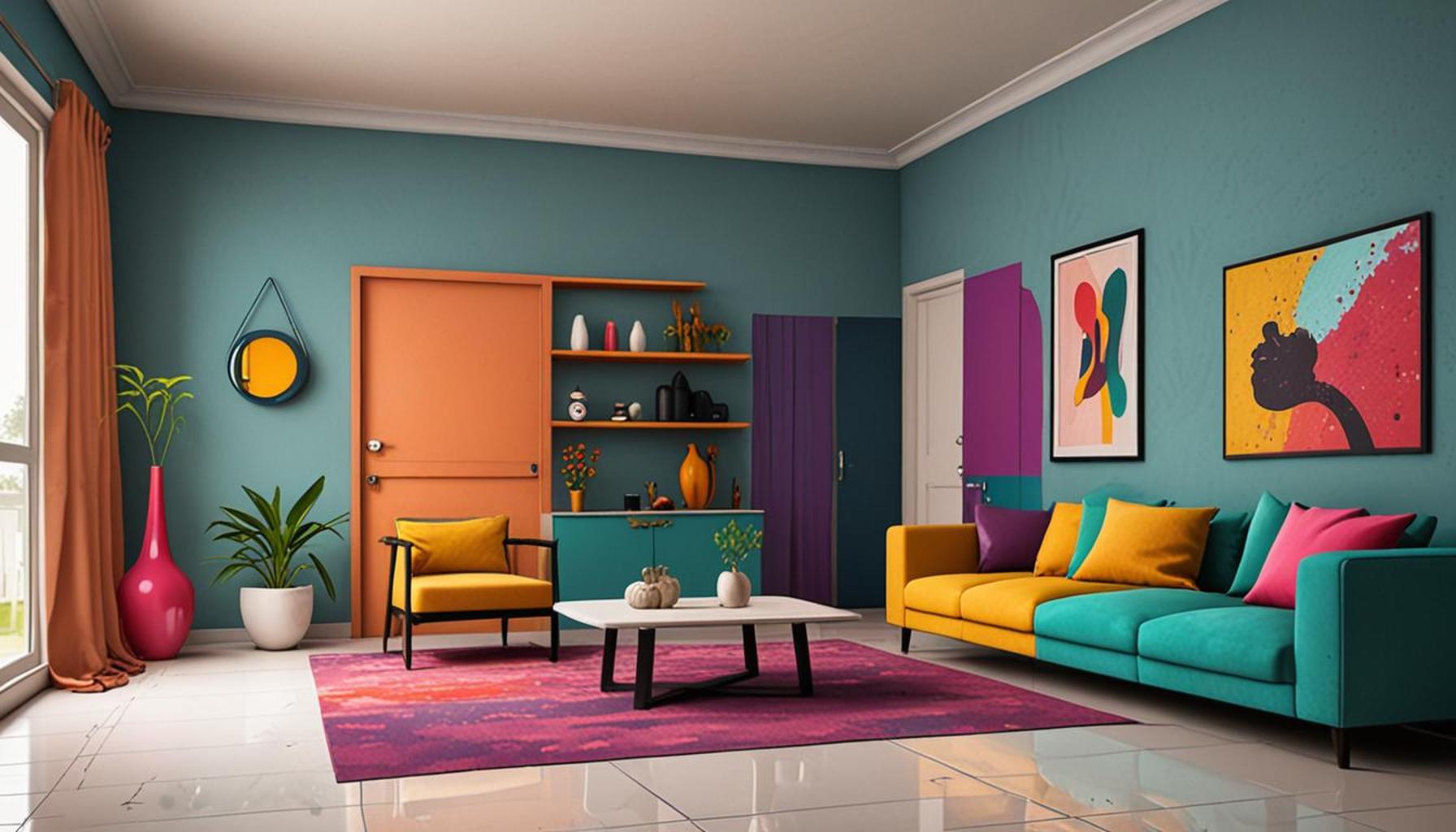
The Art of Maximizing Space with Mindful Design
In contemporary urban spaces, particularly in Nigeria, where housing can be compact, the integration of thoughtful design principles becomes essential for transforming living areas into serene sanctuaries. The minimalist design ethos emphasizes simplicity, yet the thoughtful application of color and texture can significantly amplify this approach. Through these elements, one can enhance the spaciousness and tranquility of a home, creating an inviting atmosphere that resonates with peace and relaxation.
Color Schemes: The Foundation of Space
Choosing the right palette is a critical step in transforming any space. Light colors, such as whites, creams, and delicate pastels, can create a sense of airiness and openness within compact rooms. For example, a soft peach accent on a wall can reflect sunlight, making a small living area feel expansive and warm. On the other hand, incorporating darker shades like deep blue or charcoal can provide a grounding effect, adding warmth and depth to larger areas. This balance allows for a dynamic interplay of light and shadow, intriguing the onlooker and enhancing the overall feel of the room.
Texture Play: The Tactile Dimension
Incorporating various textures promotes visual diversity while maintaining a sense of simplicity. Using smooth ceramics, like minimalist vases or sleek dining sets, alongside rough textiles, such as handwoven throw pillows or jute rugs, creates a multidimensional look that is both engaging and comforting. For instance, imagine a polished wooden table paired with soft, knitted accent throws. This contrast not only invites touch but also enriches the visual dialogue throughout the room, ensuring that minimalism does not equate to sterility.
Natural Elements: Connection to the Earth
Incorporating natural elements into design is particularly resonant in Nigerian culture, where outdoor spaces and the natural environment profoundly influence the aesthetic. Utilizing materials such as warm woods, coarse stones, and lush plants can significantly enhance the organic feel of a space. Consider using locally sourced bamboo or rattan for furniture; they not only bring warmth but also link the interior to Nigeria’s rich natural heritage. Furthermore, indoor plants, like the resilient monstera or snake plant, not only improve air quality but also inject life into compact settings, promoting a breathable ambiance.
Embracing Cultural Influences
Every design choice is significant in minimalism, especially for Nigerian homes, where local influences can create a harmonious blend of tradition and modernity. For instance, integrating traditional patterns in textiles or wall art can offer a cultural narrative that complements minimalist aesthetics without overwhelming the senses. Earthy color tones, reminiscent of Nigeria’s landscapes, can anchor your space to its geographical and cultural roots, illustrating that functionality and aesthetic appeal can coexist beautifully.
As you delve deeper into these design principles, take the opportunity to reassess your living space. Challenge the notion of minimalism as merely empty space; instead, explore how colors and textures can collaborate to produce an environment of expansiveness and harmony. Through this exploration, you will not only enhance your home’s beauty but also forge a deeper connection to your personal identity and cultural heritage.
YOU MAY ALSO LIKE: Read read another article
Strategic Color Use: Creating an Illusion of Space
The strategic choice of colors is pivotal for enhancing the sense of space in minimalist homes. In Nigeria, where the richness of culture reflects in textile arts and architectural aesthetics, the color scheme can be tailored to evoke a feeling of openness and flow. Light and neutral colors—such as whites, beiges, and soft pastels—are indispensable choices. These hues not only reflect light but also provide a calming backdrop that can make even a small room feel spacious. For instance, painting walls in a soft cream and complementing it with subtle beige furniture can create a seamless visual experience that expands the dimensions of the room.
Furthermore, accent walls can be effectively employed to establish depth without compromising minimalism. By opting for muted tones like sage green or dusty blue, homeowners can introduce color while still maintaining an airy ambiance. These cooler colors can evoke tranquility, making small spaces feel less confining and more inviting. A well-planned color scheme also includes the ceiling; a slightly lighter shade on the ceiling compared to the walls can create the illusion of higher ceilings, thus enhancing the feeling of space.
The Power of Texture in Spatial Perception
Texture offers an engaging dimension that can further elevate the minimalist aesthetic. While color provides the foundational layer, textures invite interaction and interest. In Nigerian homes, blending contrasting textures can amplify the sense of space while adhering to minimalist principles. Consider the following combinations:
- Soft fabrics: Incorporate lightweight cotton throws and sheer curtains to maintain an airy feel.
- Natural materials: Use rattan furniture or clay pots for an organic appearance, imbuing the space with warmth.
- Smooth surfaces: A sleek coffee table can be complemented by textured pillows, striking a balance between simplicity and comfort.
By layering these textures, you create a compelling visual narrative without overwhelming the senses. A single textured wall, perhaps clad in reclaimed wood, can serve as a striking focal point that adds depth to the room without cluttering the visual space. As these elements interact with natural light, dynamic shadows are cast, enhancing the dimensionality of the area.
Natural Light: Enhancing Space through Illumination
Alongside color and texture, the role of natural light cannot be underestimated when seeking to enhance the perception of space in minimalist homes. Large windows or strategically placed mirrors can capture and reflect available light, making spaces feel larger and more inviting. In Nigerian urban settings, where much of life happens indoors, maximizing natural light becomes crucial. Use light, airy window treatments to allow sunlight to filter through, while still providing privacy.
Creating a harmonious interaction between colors, textures, and light not only elevates the aesthetic appeal of a room but also complements the minimalist philosophy of removing the unnecessary. This thoughtful design approach will ensure that each element serves a purpose and contributes to the sense of space, thus transforming any modest home into a serene retreat that reflects both personal style and cultural heritage.
| Advantages | Details |
|---|---|
| Utilization of Natural Light | Lighting choices combined with color palettes can reflect more natural light, enhancing the feeling of an open space. |
| Color Psychology | Incorporating soft neutral colors can create tranquility, making spaces feel more expansive and inviting. |
| Textured Elements | Adding textured pieces like woven fabrics or natural wood can add depth without overwhelming the minimalist approach. |
| Integrated Design | Using cohesive color schemes across rooms promotes a seamless flow, enhancing the sense of space throughout the home. |
Minimalism in Nigerian homes presents a unique opportunity to utilize colors and textures effectively. For instance, the choice of a monochromatic scheme can significantly influence the perception of space. Colors like soft whites, light greys, or even pastel shades can create an illusion of vastness while keeping the design simple yet elegant. Textures play an essential role as well; incorporating natural materials such as clay or textiles can help maintain visual interest without cluttering the environment.Additionally, the strategic use of mirrors can enhance both colors and textures, reflecting light and creating an enhanced feeling of openness. Emphasizing the relationship between colors and textures enables homeowners to design minimalist spaces that feel inviting and expansive despite limited square footage. Understanding these elements will lead to a more fulfilling decorative process for those looking to elevate their living spaces within the context of Nigerian aesthetics.
ADDITIONAL INSIGHTS: Expand your understanding here
Integrating Color and Texture for Cohesion
To truly enhance the sense of space in minimalist homes, it is essential to consider not only the individual use of colors and textures but also how they work together to create a cohesive design. In Nigeria, where the interior spaces often reflect diverse cultural influences, harmonizing these elements can be transformative. One effective approach is to establish a consistent color palette that allows different areas of the home to flow seamlessly into one another. This technique can diffuse visual boundaries, making each room appear more expansive.
When selecting a color palette, consider using three primary shades: a dominant color for walls, a secondary color for larger pieces like sofas, and an accent color for decorative items. For instance, a pale gray could serve as the backdrop, accompanied by a soft blue sofa, with mustard yellow throw pillows providing the perfect pops of color. This combination enhances depth while maintaining an overall airy feel. Accents can also be drawn from traditional Nigerian fabrics, such as Adire or Ankara, allowing for a personalized touch that connects to cultural heritage.
Evoking Atmosphere with Natural Materials
The use of natural materials not only adds texture but also draws on ecological principles that resonate well with Nigeria’s landscape. Incorporating mud walls, bamboo, and wooden furniture can introduce a rustic charm that connects indoor spaces with the natural environment. For example, introducing furniture with a natural finish can soften sharp lines typically associated with minimalist design, fostering an inviting atmosphere. Additionally, terracotta tiles or polished concrete can be used for flooring, contributing to both aesthetic appeal and practical durability. The tactile quality of these materials enhances the sensory experience of a home, inviting inhabitants to feel comfortable and settled.
In smaller living areas, visual weight can be reduced by opting for multi-functional furniture pieces that serve dual purposes. A sleek bench can become seating by day and a storage box by night, serving a vital role without demanding additional space. Pairing this with lighter fabrics—like a linen or cotton texture—gives the impression of airiness while ensuring functionality. The key is to choose textures that complement but do not compete; an understated rug made from jute can add warmth to a seating area without overwhelming the visual space.
Color Psychology: Influencing Mood and Perception
Another fascinating element to consider in the role of color in minimalist homes is color psychology. The colors you choose can significantly influence the mood of a space, thereby impacting how those spaces are perceived. For instance, incorporating shades of green known to evoke feelings of tranquility can make a bedroom appear larger and more restful. In contrast, a splash of orange in a communal space can energize the atmosphere, making it perfect for gatherings.
Transformative power lies not just in the colors and textures themselves, but also in the stories they tell. By infusing personal meaning into the chosen palette—such as family heritage or cherished memories—you create a sense of belonging. Complement your colors with appropriate lighting and you have a unique sanctuary defined by warmth and openness, where every corner tells a story, yet stands in elegant simplicity.
RECOMMENDED: Check out this similar article
Conclusion: Crafting Expansive Minimalist Spaces
In conclusion, effectively using colors and textures is essential for enhancing the sense of space in minimalist homes in Nigeria. By carefully selecting a harmonious color palette that reflects personal style and cultural heritage, homeowners can create environments that feel open and cohesive. The strategic application of colors—whether it be through soft neutrals for expansive walls or vibrant accents to energize spaces—invites a sense of airiness that is particularly valuable in smaller homes.
Moreover, integrating natural materials not only enriches the texture but also fosters an organic connection to the beautiful Nigerian landscape. Utilizing elements like bamboo, terracotta, and wooden finishes can soften minimalistic lines, providing warmth and comfort. Emphasizing multi-functional furniture allows for a more practical approach while minimizing clutter, furthering the sense of openness.
The implications of color psychology can also enlighten how each room feels, transforming everyday spaces into inviting retreats that resonate with peace, creativity, or energy, depending on the intended use. Through these conscious design choices, not simply aesthetics but stories can be woven into homes, enhancing the personal narratives that define who we are.
As Nigerian homes continue to evolve within the minimalist design trend, exploring the profound relationship between colors, textures, and space allows for innovative living environments that are both functional and deeply personal.
Related posts:
Maximizing Small Spaces: Minimalist Organization Tips for Apartments in Lagos
The importance of spatial efficiency in personal organization: Transforming disorder into harmony
How to Optimize Small Spaces for Minimalist Living: Practical Tips for Apartments in Nigeria
Organization Strategies for Storage Spaces in Multifunctional Rooms in Nigeria
Boost Productivity Transform Your Life with Minimalist Space Organization
Vertical Organization Techniques: Optimizing Spaces in Nigerian Homes Through Shelves and Suspended ...

Linda Carter is a writer and organization expert specializing in minimalism and personal organization. With extensive experience helping individuals create clutter-free, functional spaces and adopt mindful habits, Linda shares her knowledge on our platform. Her goal is to empower readers with practical advice and strategies to simplify their lives, stay organized, and achieve a sense of calm and balance in their daily routines.