Emotional Disorder: The Connection Between Organized Spaces and Healthy Personal Relationships
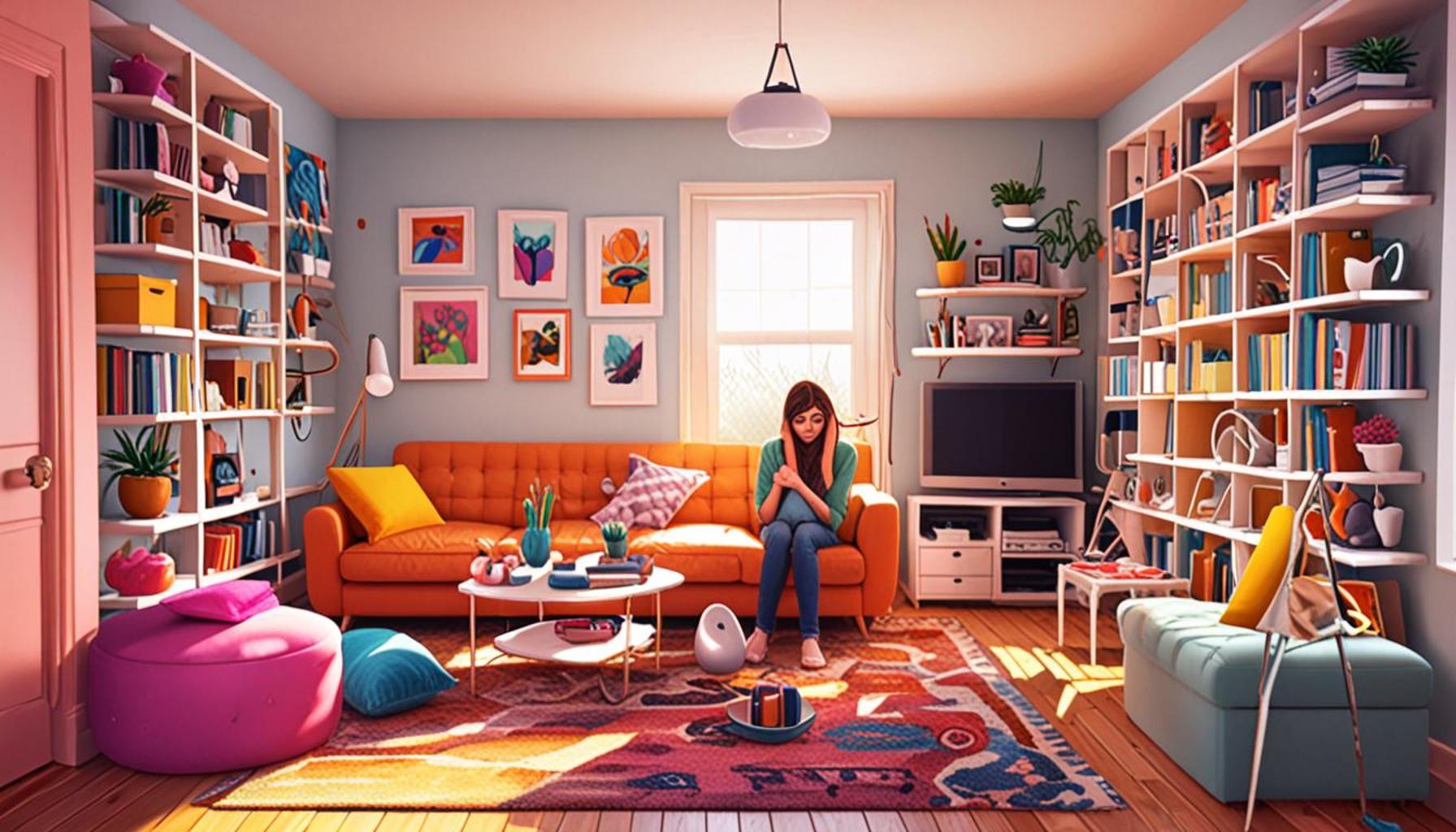
The Influence of Organized Spaces on Our Emotions
In recent years, the increase in emotional disorders has led many to look closely at the factors contributing to mental health. Among these factors, the environments we cultivate have a profound impact on our psychological well-being. Studies have shown a strong link between organized spaces and healthy personal relationships, emphasizing how the state of our surroundings can reflect and influence our emotional states.
Let’s examine how our immediate environments shape our feelings:
- Cluttered spaces can lead to heightened levels of anxiety and stress. A disorganized room often reflects chaos in the mind, making it challenging to focus or relax. For example, individuals may find it difficult to concentrate on work or enjoy leisure time if their living area is cluttered and chaotic.
- Organized settings promote a sense of calm and clarity. A tidy space allows for easier navigation and access to needed items, which can lessen frustration and improve overall mood. For instance, someone who organizes their workspace effectively is likely to experience heightened productivity and satisfaction from completing tasks.
- A neat home can foster improved relationships by encouraging quality interactions. When spaces are clean and inviting, individuals may feel more inclined to invite friends and family over, thus strengthening their social connections.
In Nigeria, the dynamic pace of city life often adds stress to daily routines, making the importance of personal living spaces even more critical. Many people are unaware that maintaining an orderly environment can:
- Enhance focus and productivity. A well-organized study corner can become a sanctuary for students, allowing them to absorb information better during their studies.
- Encourage positive social interactions. Families spending time together in clean and organized homes are likely to enjoy each other’s company more, leading to stronger bonds.
- Reduce feelings of depression and isolation. People battling loneliness may find solace in a calming space, as decluttered homes promote a sense of comfort and security.
A closer look at the connection between our physical environment and emotional resilience reveals that embracing order can transform relationships and mental health. For instance, Nigerian households that prioritize organization may find themselves breaking the cycle of stress associated with disarray, thereby leading to more meaningful, fulfilling lives. The ripple effects of a well-kept home can extend beyond the individual, contributing to healthier families and communities.
Ultimately, the act of organizing one’s living space is more than just an aesthetic choice; it is a foundational step towards achieving a balanced emotional state and nurturing deeper personal connections. By understanding and investing in the impact of our environments, we can pave the way for healthier, happier lifestyles.

ADDITIONAL INSIGHTS: Expand your understanding here
Understanding the Psychological Impact of Clutter
The effects of clutter on our psychological health are often underestimated, yet they play a crucial role in shaping our emotional landscape. In Nigeria, the bustling urban lifestyle can make it easy for our spaces to become cluttered, and this disarray often translates into emotional turmoil. When surrounded by disorganization, individuals frequently experience feelings of frustration, overwhelm, and a lack of control over their environment. This emotional dissonance can evolve into significant emotional disorders, making it imperative to recognize the importance of maintaining organized spaces.
Research supports the idea that living in a disorganized space can provoke negative emotions. Surveys indicate that up to 70% of people report feeling anxious when their surroundings are messy or cluttered. This anxiety can be particularly prevalent among those navigating busy lives in Nigerian cities, where work pressures and social expectations compound the effects of environmental chaos. A disorganized living space can serve as a visual distraction that disrupts concentration, leading to decreased productivity and increased feelings of inadequacy.
Conversely, the impact of organized spaces on mental well-being is profound. A tidy and structured environment helps to restore inner peace and provide a sense of stability. In this setting, individuals can harness their emotional energy more effectively, paving the way for improved focus and mental clarity. Studies indicate that individuals with organized spaces tend to exhibit lower levels of stress and heightened satisfaction in both their personal and professional lives. This sense of order can, in turn, foster a more positive demeanor, ultimately enhancing interpersonal relationships. Here are some benefits of maintaining an organized space:
- Improved clarity of thought: An orderly environment encourages a clear mindset, allowing individuals to think more creatively and constructively.
- Increased social interactions: Tidiness creates an inviting atmosphere that encourages friends and family to visit, deepening social ties.
- Enhanced emotional health: A serene space allows for self-reflection and mindfulness, which can reduce symptoms of anxiety and depression.
In Nigerian communities, the act of organizing goes beyond mere aesthetics; it is about creating a sanctuary where individuals can feel at ease with themselves and their relationships. Families that prioritize order may discover new ways to connect with one another, fostering an environment rich in support and understanding. For instance, children raised in well-organized homes often learn the value of responsibility and respect toward their belongings and personal spaces, leading to healthier relationships in their social interactions.
To further delve into this critical intersection between emotional disorders and the influence of our surroundings, it is essential to embrace the idea that nurturing our physical environment can drastically enhance our mental well-being and strengthen the connections we share with others. As we unravel these concepts, we may find actionable steps that lead us toward a more harmonious existence—both within ourselves and in relation to those we cherish.
| Category | Impact on Relationships |
|---|---|
| Clutter Reduction | Promotes creative thinking and emotional clarity, essential for deep connections. |
| Organized Environments | Fosters trust and enhances communication, leading to healthier interactions. |
| Emotional Stability | Reduces anxiety levels, allowing individuals to engage more positively with partners. |
| Personal Growth | Organized spaces encourage mindfulness, fostering healthier personal growth. |
In the exploration of emotional disorders and their impacts, the state of our personal environment plays a pivotal role. Organized spaces can introduce a sense of calm, which is essential for managing emotional challenges. By engaging with our surroundings in a meaningful way, we can create an atmosphere that is conducive to not only personal well-being but also, healthy personal relationships.The relationship between a clutter-free environment and emotional wellness is significant, as it can lead to greater mental clarity and focus. When individuals actively engage in organizing their spaces, they often find that they can approach interactions with family and friends with a clearer mindset. This clarity fosters creativity in communication and leads to stronger emotional bonds.Moreover, the practice of decluttering and organizing provides an opportunity for personal growth. This process can unveil deeper emotional issues that individuals can address, further enhancing their relationships. It’s important to recognize that the impact of organized spaces extends beyond aesthetics; it permeates different facets of life, strengthening the emotional foundation necessary for fulfilling connections. Curating a space that reflects inner harmony may seem simple, but its effects resonate deeply within personal and social contexts. As individuals cultivate order in their environments, they inadvertently nurture their capacity for establishing and maintaining healthy personal relationships. Exploring these connections not only reveals the intertwining of our surroundings with emotional health but also opens the door to transformative insights that merit further investigation.
LEARN MORE: This related article may interest you
The Role of Organization in Fostering Healthy Relationships
Beyond simply reducing anxiety, maintaining organized spaces is crucial for nurturing emotional bonds and facilitating positive relationships. In the context of Nigerian households, where communal living is prevalent and family ties run deep, the organization takes on a significant role in promoting harmony among its members. A well-structured environment not only influences the individual but also creates a conducive atmosphere for interactions among family and friends.
Research highlights that organized environments can enhance the dynamics of relationships. For instance, a study revealed that couples who maintain tidy shared spaces report higher relationship satisfaction compared to those surrounded by clutter. This correlation sheds light on the idea that disarray can lead to misunderstandings and frustrations, further aggravating emotional issues. In Nigeria, where communal living arrangements can lead to frequent interactions, addressing the state of one’s home is vital for minimizing conflicts and misunderstandings.
Being in an environment devoid of chaos allows individuals to engage meaningfully with each other. Organized spaces minimize distractions, fostering deeper conversations and genuine connections. For example, families that prioritize cleanliness may initiate more shared family time, whether during communal meals or family game nights, thereby reinforcing their emotional bonds. Such activities encourage openness and vulnerability, essential ingredients for cultivating robust personal relationships.
Organization as a Transformative Practice
Adopting organizational practices extends towards improving emotional health and encourages a culture of responsibility within households. In Nigerian contexts, engaging family members in tidying up can enhance teamwork and communication. Not only does this initiative promote a sense of ownership among members, but it also allows children to learn the importance of respect for shared spaces. As children grow up in organized environments, they are more likely to embody these values in their external relationships, contributing to healthier interactions with peers and mentors.
The implications of these practices go beyond immediate family settings. When individuals with emotionally organized spaces step into social circles—be it in workplaces or community activities—they carry an aura of stability. They tend to approach relationships with a balanced mindset, encouraging collaboration and empathy rather than chaos and discord. Anchored in their own emotional health, such individuals are better equipped to support friends and colleagues grappling with their struggles.
Transforming Spaces, Transforming Lives
In Nigerian communities, where social networks form the backbone of support systems, implementing organizational practices can significantly reduce the burden of emotional disorders. Recognizing spaces as transformative tools empowers individuals to take control of their emotions proactively. While not all disarray leads to emotional disorders, taking steps to promote organization can create a positive ripple effect throughout their social networks.
By transitioning from cluttered to organized settings, individuals foster environments that value emotional well-being, inviting healthier interactions and reducing the likelihood of conflict. As these practices catch on, communities may witness an increased emphasis on mental health, reshaping the narrative around emotional disorders and the significant role that spatial organization plays in enhancing personal relationships.
RECOMMENDED: Check out this similar article
Conclusion: The Transformative Power of Organized Spaces
In examining the intricate relationship between emotional disorders and organized spaces, it becomes evident that the environment we inhabit plays a critical role in shaping our emotional health and interpersonal relationships. In the context of Nigerian culture, where community and familial ties significantly influence daily life, fostering organization goes beyond mere aesthetics; it represents an avenue towards enhancing emotional well-being. When we prioritize the tidiness of our homes and shared spaces, we cultivate an atmosphere that not only curbs anxiety but also paves the way for meaningful interactions.
The evidence from research indicates that maintaining organized environments leads to higher satisfaction in relationships, thereby underlining the necessity to address cluttered settings as potential contributors to misunderstandings and emotional strain. Furthermore, engaging all members of a household in the practice of organization instills values of responsibility and teamwork, which are vital for nurturing future generations who will be equipped to create and maintain healthy relationships in their own lives.
As we explore the profound impact of organization on personal relationships, it is clear that individuals carry the aura of their immediate environments into broader social settings, promoting stability and empathy. For communities in Nigeria and beyond, embracing organizational practices could facilitate a collective shift towards improved mental health and richer emotional connections. It is time to recognize the transformative potential of organized spaces, not only as a means to combat emotional disorders but as a foundational element of healthier, more resilient relationships that can withstand the complexities of modern life.
Related posts:
Family Minimalism: How to Involve All Family Members in Decluttering and Organizing the Home
Declutter for Mental Health Boost Emotional Well-Being Today
Effective Tips for Decluttering Small Spaces A Minimalists Guide
Reducing Disorder in Work Environments: Strategies to Enhance Productivity and Creativity
Practical Strategies to Reduce Clutter in Small Spaces in Nigeria
Minimalism and Spirituality: How Reducing Physical Items Can Deepen Personal Connection

Linda Carter is a writer and organization expert specializing in minimalism and personal organization. With extensive experience helping individuals create clutter-free, functional spaces and adopt mindful habits, Linda shares her knowledge on our platform. Her goal is to empower readers with practical advice and strategies to simplify their lives, stay organized, and achieve a sense of calm and balance in their daily routines.