Creating Minimalist Workspaces: How an Organized Environment Promotes Better Time Management
The Benefits of Embracing a Minimalist Workspace
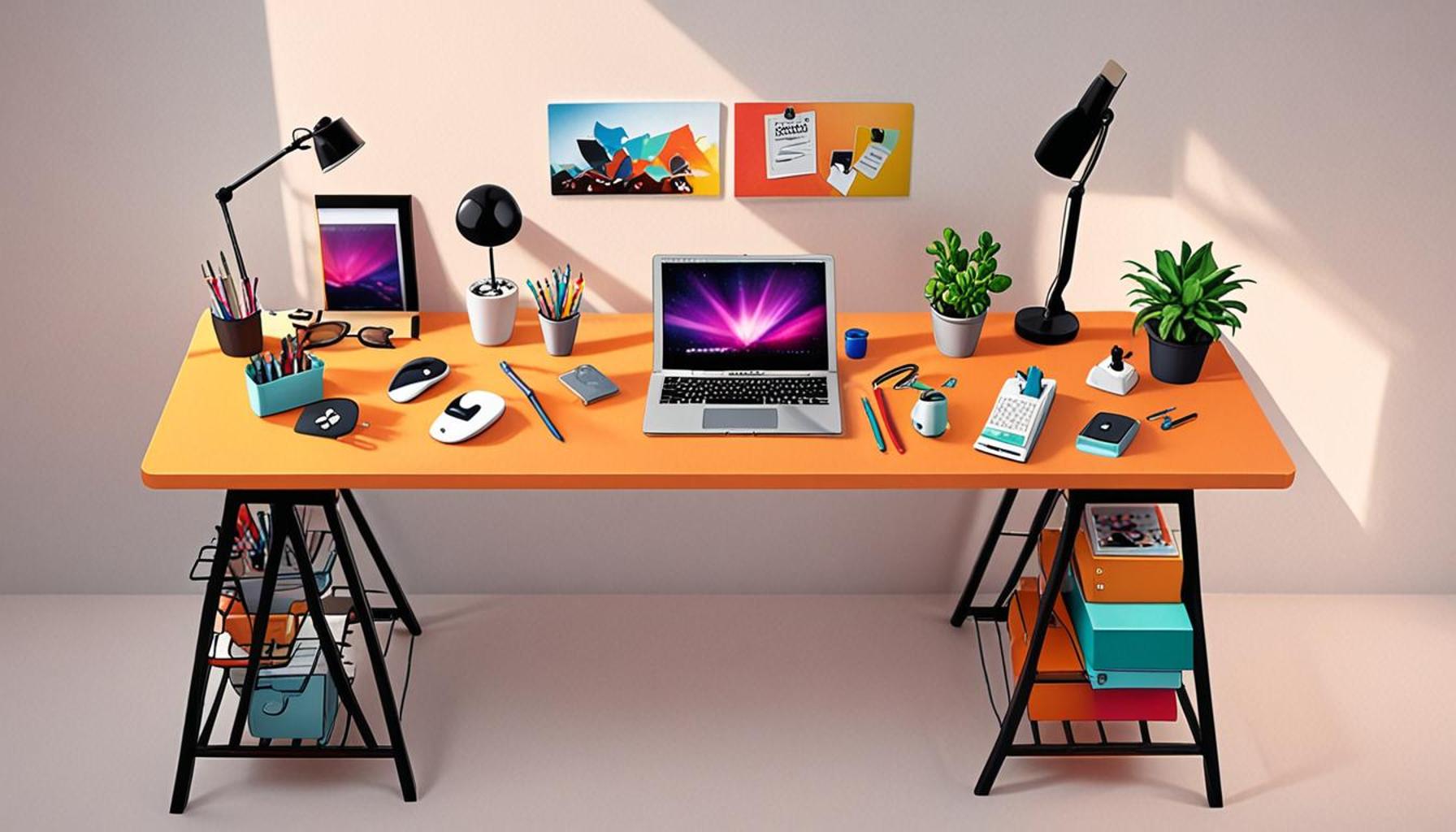
In an age dominated by constant notifications and an overwhelming abundance of information, maintaining focus can often feel like a daunting task. This is where the concept of a minimalist workspace becomes particularly effective. By stripping down your environment to only the essential elements, you create a setting that nurtures concentration and boosts productivity. Let’s delve deeper into how minimalism can transform your working experience.
Key Features of a Minimalist Workspace
When crafting a minimalist workspace, several key features stand out:
- Clean surfaces: A workspace free from clutter is foundational to achieving focus. For instance, in Nigerian cities like Lagos, where the hustle and bustle can feel overwhelming, maintaining a clean desk can provide a much-needed sense of calm and order. It may mean investing in storage solutions to keep papers and supplies out of sight, thus allowing the mind to concentrate on the tasks at hand.
- Essential tools only: Holding onto tools that serve no immediate purpose can lead to distractions. This principle encourages professionals to evaluate their needs critically. For example, a software developer may only need a computer and notepads, eliminating pens, papers, and other unnecessary items from their desk. This limit reduces decision fatigue, allowing for quicker transitions between tasks.
- Organizational systems: A minimalist workspace thrives on clarity. Utilizing labeled folders or a digital organization system can streamline daily operations. In practice, implementing systems like color-coded files or productivity apps can save valuable time, especially for busy workers in Nigeria’s vibrant economy who juggle multiple responsibilities.
The Impact of Organization on Concentration
Research consistently shows that an organized workspace enhances concentration by minimizing the chances of distraction. This is especially relevant in Nigeria, where the noise and activity of cities can pull one’s focus away from work. By creating a quiet and organized environment, individuals can better tune out the chaos outside and hone in on their objectives.
Reclaiming Focus and Time
Adopting a minimalist approach not only boosts productivity but also cultivates better time management skills. With fewer distractions, individuals often find themselves more efficient, completing tasks faster and with higher quality. Imagine a graphics designer in Abuja who, faced with a layered and cluttered workspace, struggles to meet deadlines. By organizing their materials and downsizing unnecessary tools, they could transform their workflow, ultimately leading to timely project completions and increased job satisfaction.
In summary, exploring the minimalism of a well-organized workspace opens doors to enhanced productivity and better time management. As professionals in Nigeria seek to mitigate distractions, embracing minimalism can lead to clearer mental and physical spaces, thus fueling creativity and efficiency both in the office and at home. Start this journey today to discover how a minimalist workspace can revolutionize your professional and personal life.

SEE ALSO: Click here to read another article
Crafting Your Minimalist Workspace: Steps to Success
Creating a minimalist workspace involves more than simply reducing the clutter on your desk. It requires a thoughtful approach to design and organization that aligns with your work habits and goals. For professionals in Nigeria, where the fast-paced nature of urban life can lead to distractions and inefficiencies, adopting a minimalist strategy is not just beneficial; it’s essential. Let’s explore practical steps to craft an effective minimalist workspace that fosters better time management.
Assess Your Current Workspace
The first step in transitioning to a minimalist workspace is to evaluate your current setup. Take a moment to look around and consider the items that are truly necessary for your daily tasks. Ask yourself which tools enhance your productivity and which merely occupy space. For example, in bustling cities like Lagos, many professionals often find themselves surrounded by papers, old gadgets, and office supplies that have outlived their usefulness.
Consider creating a workspace audit checklist with the following categories:
- Essential items: Identify tools and equipment that are crucial for your work, such as your computer, monitors, or notebooks.
- Occasional use items: Determine what you use only sporadically. Would it make more sense to store these items away from your immediate workspace?
- Unnecessary items: Recognize which items can be discarded or donated. Clutter can be not just distracting but also demotivating.
Designing with Intent
Once you’ve identified the necessary items, the next phase is to organize them intentionally. This involves arranging your workspace in a way that promotes efficiency and minimizes distractions. For instance, consider using storage solutions that blend functionality with aesthetics, like stylish boxes for documents or a dedicated drawer for stationery. In cities like Abuja and Port Harcourt, a combination of practicality and design can turn a simple workspace into an inviting one that motivates productivity.
It’s also beneficial to adhere to the two-minute rule: if a task takes less than two minutes, do it immediately. This approach can effectively prevent tasks from piling up, keeping your workspace and mental space clutter-free. Most importantly, ensure that your workspace maintains a comfortable atmosphere—adequate lighting and ergonomically designed furniture can play a giant role in sustaining focus. A minimalist workspace should not just look good; it should feel good, too.
Adapting Technology
In our tech-driven world, leveraging digital tools can further simplify the minimalist workspace paradigm. Use apps that help you manage tasks effectively, such as Todoist or Trello, allowing you to tie your physical workspace with digital organization. These tools enhance communication and coordination, especially among teams working remotely or in hybrid models in Nigeria’s dynamic job market.
By implementing these steps in creating a minimalist workspace, you’re not only making room for creativity and productivity but also establishing a foundation for effective time management. The less cluttered your environment, the easier it becomes to focus on what truly matters: your work. Discovering ways to enhance your workspace is a journey worth embarking on, and its rewards are substantial in boosting both efficiency and well-being.
| Advantage | Description |
|---|---|
| Increased Focus | A minimalist workspace reduces distractions, allowing individuals to focus on tasks with greater efficiency. |
| Enhanced Creativity | An organized environment fosters creative thinking, as clutter-free spaces promote mental clarity. |
| Better Time Allocation | Time spent searching for items diminishes, thereby optimizing task management. |
Understanding these advantages reveals how a minimalist workspace directly correlates with improved time management. People often underestimate the impact of organization on their productivity. By removing excess items and implementing a well-structured approach, one can experience a noticeable shift in both focus and output. Intriguingly, research suggests that individuals working in tidy environments can accomplish tasks significantly faster than their counterparts in cluttered settings.Additionally, the aesthetic appeal of a minimalist workspace often enhances motivation, providing a refreshing psychological boost that invigorates one’s daily routine. The emphasis on light, open spaces can reduce stress, which further contributes to overall productivity and well-being.Ultimately, embracing a minimalist approach not only clears space physically but also mentally, allowing individuals to navigate their work more effectively and creatively. As the demand for efficient time management grows, exploring minimalist workspace strategies becomes increasingly relevant for those looking to improve their performance in today’s dynamic work environments.
ADDITIONAL INSIGHTS: Expand your understanding here
Enhancing Focus and Productivity through Minimalism
One of the key benefits of establishing a minimalist workspace is the profound impact it has on focus and productivity. By eliminating distractions, professionals in Nigeria can cultivate an environment conducive to deep work. In bustling urban settings, the constant noise and activity can contribute to a fragmented work experience; therefore, creating a calm workspace is vital. Research has shown that individuals are more productive in environments where they feel content and unrestrained by clutter. Therefore, embracing minimalism is not just a trend—it’s a strategy for better time management and improved output.
Utilizing Color and Space Effectively
The design choices you make within your workspace can influence your mood and productivity. In contrast to the chaotic environments many Nigerians work in, adopting a minimalist aesthetic can lead to clarity of thought and action. Use a neutral color palette to promote tranquility; shades of white, beige, or soft gentle hues can create a sense of spaciousness and calm. Too many bright colors or intricate patterns can be overstimulating, pulling focus away from tasks at hand.
Moreover, space is a critical factor in a minimalist workspace. For professionals who work in shared offices or coworking spaces in cities like Lagos or Ibadan, utilizing vertical space or keeping well-organized communal areas can significantly enhance productivity. Consider utilizing high shelves or wall-mounted organizers to maximize available space and keep your desk clear. This methodology not only aligns with minimalist principles but also facilitates a more organized team environment.
Implementing the Right Accessories
Accessories in a minimalist workspace should serve a purpose while contributing to the “less is more” philosophy. For instance, investing in a high-quality planner can minimize reliance on multiple digital apps, centralizing all notes and tasks in one functional space. This not only cuts down on distractions but also enhances focus by allowing you to have a tactile interaction with your tasks.
Tools like a whiteboard can also influence productivity positively. Hang a whiteboard in your workspace, encouraging you to jot down ideas or sketch workflows without needing digital devices that can lead to distractions. This tactile experience can be refreshingly simple and aligns well with the goals of time management. Studies have shown that those who actively engage with their tasks in such a manner tend to retain information better and are more effective in executing their plans.
Incorporating Breaks to Sustain Momentum
While creating a minimalist workspace is key, recognizing the need for periodic breaks is equally important. The structured organization should not feel stifling; instead, integrate times to refresh mentally and physically. A simple timer can remind you to take a short break every hour, allowing your mind to reset and recharge. This practice aligns with the Pomodoro technique, which highlights that short, focused bursts of work followed by breaks can produce the highest levels of productivity. By incorporating breaks into your workflow, you foster a sustainable work rhythm that can lead to higher productivity rates overall.
As you refine your minimalist workspace, always keep in mind the balance between aesthetics and functionality. Engaging with your work while enjoying the benefits of an organized environment enhances your overall productivity and aids in effective time management, vital for achieving professional success in Nigeria’s competitive landscape.
CHECK OUT: Click here to explore more
Conclusion: Embracing Minimalism for Effective Time Management
In a fast-paced society like Nigeria, the importance of a minimalist workspace cannot be overstated. By consciously creating an organized environment, professionals can not only reduce distractions but also enhance their focus and productivity. The choices we make in terms of color, space utilization, and functional accessories contribute significantly to the overall effectiveness of our work settings, promoting clarity of thought and streamlined workflows. Minimalism is much more than aesthetic appeal; it is a comprehensive approach to improving time management and overall job performance.
The integration of simple tools, such as planners and whiteboards, empowers individuals to engage with their tasks more tangibly, thereby improving retention and execution. Additionally, the incorporation of regular breaks, inspired by techniques like the Pomodoro method, underscores the necessity of ensuring mental well-being in the workplace. As thrill-seeking urban environments threaten to overwhelm the workspace, adopting the principles of minimalism can act as a safeguard against clutter, both physical and mental.
To achieve a successful career in Nigeria’s competitive landscape, harnessing the power of a minimalist workspace is essential. This article serves as an invitation to explore further, experiment, and adapt these principles to fit personal workflows. The journey towards a more organized, clutter-free workspace is not merely a design choice; it is a transformative step towards mastering both time and productivity, ultimately leading to greater professional success.
Related posts:
Redefining Priorities: How Minimalist Philosophy Can Transform Your Approach to Time and Daily Tasks
Minimalism in Personal Life: How to Reduce Commitments and Maximize Free Time
Minimalism and the Power of Simplicity: Strategies to Plan Your Day with Clarity
Quality Time: How Minimalism Can Enhance Presence and Connection in Our Personal Relationships
Minimalism and Self-Discipline: Building Habits that Respect Your Time and Personal Space
The Importance of Saying No: How Minimalism Can Help with Time Management and Setting Boundaries

Linda Carter is a writer and organization expert specializing in minimalism and personal organization. With extensive experience helping individuals create clutter-free, functional spaces and adopt mindful habits, Linda shares her knowledge on our platform. Her goal is to empower readers with practical advice and strategies to simplify their lives, stay organized, and achieve a sense of calm and balance in their daily routines.