Creating a Sustainable Lifestyle: Reducing Clutter as a Path to Ecological Awareness
Understanding the Impact of Clutter on Our Lives
In today’s fast-paced society, the accumulation of goods often leads to overwhelming clutter, which can negatively impact our mental health and overall well-being. Clutter affects our daily lives in numerous ways: not only does it create a chaotic environment, but it also contributes to feelings of increased stress and anxiety. Studies have shown that people living in cluttered environments often experience higher levels of emotional distress, as physical disorder can hinder emotional clarity and focus.
Moreover, clutter leads to wasted resources and time. When personal spaces are filled with unnecessary items, it takes longer to find essential belongings. This time wasted can add up, contributing to frustration and decreased productivity. In a country like Nigeria, where time is a precious commodity amidst bustling daily activities, streamlining our belongings can enhance efficiency in life’s demands.
Additionally, clutter exacerbates environmental degradation through unnecessary consumption. The culture of consumerism encourages constant purchasing and discarding of items. This can lead to overflowing landfills, which poses a significant challenge for waste management systems in Nigeria. For instance, Lagos, a megacity faced with remarkable waste challenges, has witnessed the adverse effects of unregulated waste disposal, inviting health and environmental risks.
Adopting Minimalism: A Sustainable Choice
By embracing a minimalist mindset, individuals can begin to assess their true needs versus wants. This critical evaluation leads to smarter purchasing decisions. Instead of buying new clothes or gadgets simply out of desire, assessing necessity may lead to opting for quality over quantity, which in turn reduces waste.
Furthermore, making informed decisions about purchases involves seeking out sustainable, locally-made products and supporting small businesses. These options often have a smaller carbon footprint compared to imported goods, which further promotes environmental sustainability.
Another impactful choice is to encourage a circular economy by donating unwanted items. In communities across Nigeria, donating clothes, books, and household items can significantly benefit those in need while directly reducing clutter. For example, organizations like “The Giving Life Foundation” actively collect and distribute usable items to disadvantaged individuals, fostering a spirit of togetherness and sharing.
Minimalism and Local Environmental Impact
In Nigeria, where issues like waste management and pollution are of grave concern, reducing clutter can have significant local impacts. Initiatives like community clean-ups and recycling programs are gaining traction, encouraging a collaborative approach to environmental preservation. These smaller, community-based efforts are pivotal in cultivating a shared responsibility for our planet.
As we simplify our environments, we align ourselves with broader ecological practices that honor our planet and its finite resources. Adopting minimalist principles does not have to be an all-or-nothing endeavor; it can start with small, deliberate changes. Whether it is decluttering a room or consciously deciding against a new purchase, each decision matters. The journey towards sustainability is dynamic, driven by individual choices that resonate widely within communities.
SEE ALSO: Click here to read another article
Finding Clarity in Simplicity
To truly embrace sustainability, individuals must recognize the liberating potential of reducing clutter. By adopting a minimalist approach, people can achieve a clearer mindset while making substantial strides towards ecological awareness. The first step in this journey is identifying the emotional attachments we hold toward objects. Often, items accumulate not due to necessity, but because they symbolize memories, status, or comfort. Understanding this can empower individuals to differentiate between what is truly needed and what serves only as an emotional crutch.
Consider this: many homes in urban areas like Lagos overflow with possessions ranging from outdated electronics to clothing that has not been worn for years. Acknowledging the impact of these items is essential. Research shows that households with fewer possessions not only experience improved mental clarity but also actively contribute to reducing overall consumption. In Nigeria, where waste management remains a daunting challenge, every effort to reduce clutter translates into less pressure on already strained disposal systems.
The Benefits of Decluttering
Decluttering offers a wealth of benefits that extend beyond mere aesthetics. Here are some ways in which minimizing clutter can foster a more sustainable lifestyle:
- Enhanced mental well-being: A decluttered space promotes a serene atmosphere, reducing anxiety and increasing productivity.
- Financial savings: Embracing minimalism helps curb impulse buying and encourages more thoughtful spending, significantly impacting personal budgets.
- Support for sustainable practices: Fewer purchases translate to a decrease in resource extraction and waste generation, thereby contributing to a healthier planet.
- Community enrichment: Donating unwanted items can breathe new life into local charities, fostering connections and community spirit.
These benefits illustrate that the choice to reduce clutter is not simply an individual endeavor; it is a collective movement toward ecological consciousness. By choosing quality over quantity and prioritizing sustainable options, individuals can significantly influence broader societal patterns of consumption. For instance, purchasing locally-sourced products not only supports local economies but also reduces the carbon footprint associated with transportation.
As Nigerians increasingly become aware of the pressing environmental challenges, such as inadequate waste management and plastic pollution, the call for reducing clutter resonates more profoundly than ever. Individuals can complement their minimalist lifestyles by actively engaging in community initiatives aimed at environmental preservation, such as recycling drives and clean-up campaigns. These efforts nurture a culture of social responsibility while promoting ecological awareness on a grassroots level.
Learning to Let Go
Ultimately, the path to a sustainable lifestyle begins with the art of letting go. Embracing minimalism doesn’t mean giving up what you love; rather, it encourages individuals to prioritize and appreciate those items that genuinely enhance their lives. Through mindful decluttering, we can pave the way toward ecological awareness and create an environment conducive to sustainability.
As we delve deeper into the journey of creating a sustainable lifestyle, it becomes crucial to recognize how reducing clutter not only aids in environmental preservation but also promotes mental clarity. The act of decluttering can significantly reduce waste, as it encourages individuals to rethink their consumption patterns. With a conscious effort to minimize unnecessary belongings, one naturally gravitates towards more sustainable choices.
On a psychological level, a clutter-free space fosters a sense of peace and productivity. Studies have shown that environments filled with excessive items may lead to feelings of anxiety and stress. By streamlining one’s possessions, individuals often report an improved state of mind and enhanced focus, paving the way for a more sustainable approach to living.
One interesting observation is the correlation between minimalism and ecological consciousness. Those who adopt minimalist lifestyles tend to exhibit stronger ecological awareness and responsibility. They are more likely to engage in sustainable practices such as recycling, upcycling, and ethically sourcing products. Thus, the act of reducing clutter transcends mere aesthetics; it becomes a pathway to greater ecological engagement and awareness.
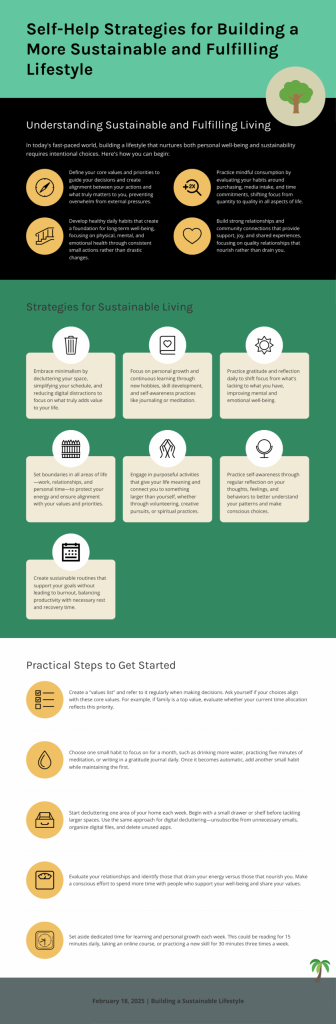
The practical steps towards a clutter-free lifestyle can begin with simple actions such as donating unused items, choosing quality over quantity, and being mindful of one’s purchases. Each of these strategies not only lightens one’s physical load but also contributes to a larger commitment to sustainability.
As the movement towards a sustainable lifestyle continues to grow, it becomes increasingly important to educate ourselves about sustainable practices linked to reducing clutter. By fostering a culture of awareness and responsibility, we not only preserve our environment but create a ripple effect that encourages others to join in the journey.
| Advantages | Impacts |
|---|---|
| Promotes Mindfulness | Encourages conscious consumption and individual responsibility. |
| Reduces Ecological Footprint | Lowers waste generation and promotes recycling efforts. |
Understanding these advantages can lead to a more profound insight into how reducing clutter is closely tied to ecological awareness. Exploring these concepts further can not only enhance one’s personal lifestyle but also contribute positively to global sustainability efforts.
RECOMMENDED: Check out this similar article
Embracing Conscious Consumption
As the journey towards a sustainable lifestyle unfolds, it becomes increasingly vital to not only reduce clutter but also to embrace conscious consumption. This concept extends beyond decluttering; it urges individuals to reflect on their buying habits and the long-term impact of these choices on the environment. In Nigeria, a country rich in culture and craftsmanship, there exists an opportunity to support local artisans and businesses that prioritize sustainable practices. By choosing to purchase handmade or eco-friendly products, consumers can significantly decrease their reliance on mass-produced goods that contribute to environmental degradation.
The rise of sustainable fashion in Nigeria presents a compelling example of conscious consumption. Brands that utilize ethical sourcing and production methods are gaining traction, resonating with a growing demographic of environmentally-minded consumers. For instance, local initiatives such as ALÁRA and RecyclePoints not only encourage consumers to think critically about their fashion choices but also promote the use of recycled materials. Engaging with these businesses not only reduces personal clutter from fast fashion waste but simultaneously supports the local economy and reduces the carbon footprint associated with global shipping and supply chains.
Rethinking Waste and Its Impact
Another critical aspect of creating a sustainable lifestyle lies in reevaluating how we perceive waste. The act of decluttering inherently results in excess items that may no longer serve a purpose. The key is to adopt a responsible approach towards these possessions. For instance, in Nigeria, various organizations facilitate donation drives where individuals can contribute usable items to those in need, thereby minimizing waste and fostering a sense of community. Not only does this help impoverished groups gain access to essential goods, but it also reflects a shift towards seeing waste as a resource rather than as refuse.
Moreover, learning to properly recycle becomes essential in this context. The Nigerian government, alongside various NGOs, promotes awareness campaigns highlighting the importance of waste separation and recycling processes. By participating in local recycling initiatives, individuals can reduce their clutter while simultaneously contributing to more extensive environmental efforts. For example, initiatives like the Waste to Wealth program have successfully transformed discarded materials into profitable resources, demonstrating the immense potential hidden within what we typically regard as waste.
- Mind the Packaging: When making purchases, opting for products with minimal or biodegradable packaging can significantly reduce clutter created by packaging waste.
- Rent, Don’t Buy: For items that are used infrequently, consider renting instead of purchasing. This not only saves space but also fosters a sharing economy.
- Educate Yourself: Engage with local workshops or online platforms that discuss sustainability, teaching individuals how to make informed decisions about their consumption.
- Utilize Community Swap Events: These events allow people to exchange items such as clothing and books, creating a re-circulation of goods within the community while minimizing the environmental impact of new purchases.
In this journey towards a sustainable lifestyle, the powerful impact of reducing clutter and embracing conscious consumption cannot be overstated. By aligning our consumption habits with ecological awareness, individuals in Nigeria can pave the way towards a more sustainable future, fostering a culture of responsibility and respect for the environment.
ADDITIONAL INSIGHTS: Expand your understanding here
Conclusion: The Path Forward
Creating a sustainable lifestyle, particularly in the context of Nigeria, requires a holistic approach that intertwines reducing clutter with ecological awareness. By assessing our consumption habits and rethinking our perceptions of waste, individuals can initiate profound changes that extend beyond personal clutter reduction. Every choice made, from supporting local artisans to participating in community-driven recycling initiatives, carries the potential to foster a more sustainable society. The shift towards appreciating waste as a resource rather than a burden can significantly reshape how we relate to our environment.
In Nigeria, local movements advocating for sustainable practices, such as Waste to Wealth, provide tangible examples of the benefits of this mindset. By engaging deeply with these movements and prioritizing conscious consumption, individuals not only enhance their ecological footprint but also enrich their communities. Moreover, fostering connections through community swap events or donation drives illustrates that sustainability can be a shared journey, enhancing social bonds while promoting environmental stewardship.
Ultimately, adopting a sustainable lifestyle is about more than just reducing clutter; it is about igniting a movement of ecological awareness that propagates through every layer of society. As we embrace these practices, we carve out a resilient future, creating lasting impacts that ensure not just environmental preservation but also the upliftment of communities. The path toward sustainability is illuminated by our daily choices, revealing the profound ripple effects our actions can have on both our immediate surroundings and the planet as a whole.
Related posts:
The Importance of Reducing Clutter for Mental Health and Well-Being in Modern Life
The Psychology of Disorder: Understanding How the Reduction of Items Affects Our Perception of Time ...
Mental Disorder: How Reducing Physical Items Can Calm the Mind and Increase Productivity
Declutter for Mental Health Boost Emotional Well-Being Today
Family Minimalism: How to Involve All Family Members in Decluttering and Organizing the Home
Minimalism and Mental Health: How Reducing Clutter Can Contribute to Emotional Well-Being

Linda Carter is a writer and organization expert specializing in minimalism and personal organization. With extensive experience helping individuals create clutter-free, functional spaces and adopt mindful habits, Linda shares her knowledge on our platform. Her goal is to empower readers with practical advice and strategies to simplify their lives, stay organized, and achieve a sense of calm and balance in their daily routines.