The Importance of Minimalism in Reducing Daily Stress

In the relentless whirlwind of modern life, characterized by a constant barrage of responsibilities, expectations, and digital distractions, stress often feels like an unavoidable companion. Amidst this chaos, minimalism has emerged as a breath of fresh air, not merely as a method of organizing physical space but as a profound lifestyle philosophy. Emphasizing simplicity and intentionality, minimalism invites individuals to reassess their priorities and create a more meaningful existence.
What is Minimalism?
At its core, minimalism is about more than just decluttering your home; it’s about fostering a mindset that values depth over breadth. This transformation encourages individuals to ask themselves what truly matters. Here’s a deeper exploration of its tenets:
- Reduced Clutter: By removing excess items, one not only frees up physical space but also cultivates a mental environment conducive to clarity and productivity. Imagine a simple home with thoughtfully chosen decor that echoes your personal values. Such an atmosphere can significantly reduce anxiety.
- Focused Living: Minimalism urges you to streamline your resources—think of your time, money, and energy. This approach may lead to reallocating your budget towards travel or education rather than consumer goods, offering richer experiences that feed your soul.
- Intentional Choices: Living minimally means selecting high-quality items and nurturing meaningful relationships. Instead of accumulating acquaintances, you invest in a few deep connections that elevate your life, reinforcing that less truly can be more.
How Minimalism Curbs Stress
Incorporating minimalism into your lifestyle can lead to transformative reductions in stress levels. By embracing this philosophy, you create not just order, but a sanctuary of calmness. Here are key ways minimalism aids in stress reduction:
- Less Overwhelm: A decluttered environment facilitates greater focus. For instance, Nigerian urban centers often present overwhelming stimuli; adopting minimalism can create a personal retreat amidst the noise.
- Enhanced Clarity: Fewer possessions mean fewer decisions, allowing for quicker and clearer choices. Instead of grappling with daily outfit choices from a packed wardrobe, simplifying your closet can mean more time and mental energy for pursuits you love.
- Stronger Relationships: Minimalism encourages a shift from consumerism to connection. As the emphasis on material goods wanes, you may find yourself investing more time in friendships and family, forging bonds that provide lasting fulfillment.
As Nigerians navigate the complexities of urban life—with its bustling streets and vibrant, yet often chaotic demands—embracing minimalism can be a pathway toward genuine stress relief. In a country rich in culture and community, the principles of minimalism resonate with a desire for deeper connections and purposeful living. By embarking on this journey toward simplicity, individuals can discover not only a less cluttered space but also an enriched life, brimming with intention and purpose.
RECOMMENDED: Check out this similar article
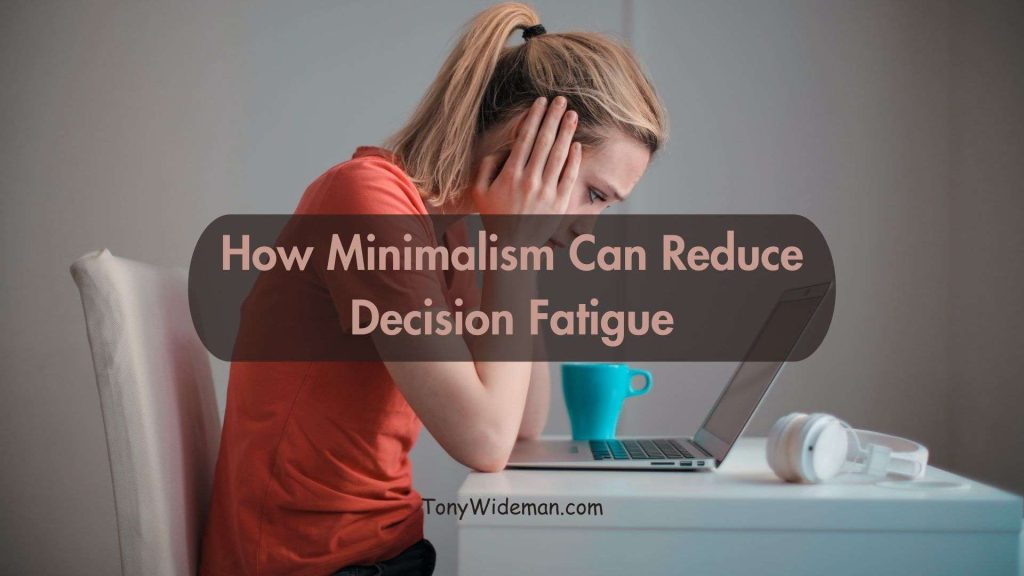
The Many Benefits of Minimalism in Daily Life
As urban dwellers in Nigeria grapple with the hustle and bustle of city life, the allure of minimalism becomes increasingly evident. The foundational tenets of minimalism intersect seamlessly with the challenges faced in a fast-paced society. This approach provides tangible benefits that can transform daily life into a more serene experience. Here we explore how adopting a minimalist lifestyle not only alleviates stress but also enhances overall well-being.
Creating Space for Mental Clarity
One of the most significant advantages of minimalism is the creation of physical and mental space. In many Nigerian households, the accumulation of items often leads to chaos, making it difficult to focus on what truly matters. A minimalist home is an oasis amidst the storm of urban living; every item is purposeful, promoting a tranquil environment. For example, when homes are decluttered, essential tasks become more manageable, and individuals can direct their energy toward personal growth or self-care.
Streamlined Decision-Making
Another notable aspect of minimalism is its ability to enhance decision-making capabilities. In a culture often inundated with choices—whether in clothing, food, or digital content—fewer options lead to less mental fatigue. The common scenario where you stand before a crowded wardrobe, overwhelmed by choices, becomes a thing of the past. Instead, with a simplified closet, selecting an outfit becomes a swift and effortless task, allowing you to channel your focus into more fulfilling activities.
The Ripple Effect on Financial Stress
Minimalism also brings about a profound shift in how individuals perceive and interact with money. By questioning the necessity of each purchase, many find themselves redirecting finances toward experiences rather than material goods. This not only eases the financial burden but also enhances a sense of fulfillment, as those savings can be used for travel, education, or investing in hobbies that spark joy. In a country where fiscal responsibility is paramount, embracing minimalism can have meaningful long-term benefits.
- Improved Quality of Life: By prioritizing experiences over possessions, individuals often report greater life satisfaction.
- Less Financial Anxiety: Reduced spending leads to a lower likelihood of debt, promoting a healthier economic state.
- Fostering Creativity: Financial freedom from unnecessary purchases allows room for creativity and exploration.
In essence, the impact of minimalism extends beyond mere possessions; it profoundly affects our mental health, decision-making, and financial well-being. As Nigerians seek ways to navigate life’s complexities, integrating minimalist principles can pave the path to reduced stress and a more intentional style of living. By seeing minimalism not just as a trend, but as a crucial lifestyle strategy, individuals can unlock a sense of peace in their everyday existence.
| Advantage | Description |
|---|---|
| Reduction of Clutter | Embracing minimalism leads to a significant decrease in physical clutter, which can contribute to mental clarity and reduced anxiety. |
| Improved Focus | A minimalist environment fosters greater concentration and productivity, allowing individuals to engage deeply in tasks without distractions. |
In the pursuit of stress reduction, minimalism serves as a transformative approach that elucidates the connection between environment and mental health. By adopting minimalism, individuals can not only streamline their spaces but also cultivate a sense of serenity in their lives. Research indicates that less clutter correlates with decreased levels of cortisol, the stress hormone, creating a calm & welcoming atmosphere. Moreover, when faced with fewer choices and distractions, many find their ability to focus enhances manifold.Embracing minimalism can extend beyond physical possessions; it invites a *lifestyle transformation* that encourages intentional decision-making. Whether through simplifying schedules or decluttering social commitments, the minimalist mindset aids in prioritizing what truly matters, further alleviating feelings of overwhelm. Engaging with these concepts can lead to profound improvements in well-being, encouraging readers to explore these ideas more and possibly integrate them into their own lives.
CHECK OUT: Click here to explore more
Building Meaningful Connections and Routines
The practice of minimalism extends beyond organizing physical spaces; it significantly influences how we build connections with ourselves and others. In a society where distractions are ever-present, both personal and professional relationships often suffer. By simplifying life, individuals can devote more time and energy to nurturing meaningful connections. This intentional focus on building relationships fosters a stronger sense of community, one that is essential in Nigerian culture. Whether it’s reconnecting with family members or forming new friendships, a minimalist lifestyle encourages deeper conversations and shared experiences that enrich our lives.
Establishing Mindful Routines
A minimalist approach helps individuals create mindful routines that ground them amidst everyday chaos. In Nigeria, where the average workday can be characterized by long hours and commuting, implementing a structured morning routine becomes vital. By minimizing distractions like excessive screen time and cluttered schedules, individuals can engage in activities that center the mind, such as meditation, reading, or even a simple breakfast ritual with loved ones. Research shows that consistent morning routines lead to higher productivity levels, helping to stave off the stress that often accompanies rushed mornings.
Environmental Impact and Community Mindset
Furthermore, embracing minimalism can have a positive environmental impact, which resonates strongly with many Nigerians. As urbanization increases, the strain on natural resources becomes a pressing concern. Minimalism promotes consumption habits that are not only mindful but sustainable. By valuing essentials over excess, individuals can contribute to a community culture that prioritizes eco-friendly practices. Initiatives such as community clean-ups or local exchanges can foster a sense of shared responsibility and collaboration, alleviating stress and building a stronger communal framework.
- Encouraging Local Economies: By supporting small businesses and local artisans, minimalists contribute to the economy and often develop meaningful relationships with vendors.
- Fostering a Culture of Giving: By sharing surplus items within a community, individuals can build trust and connection while reducing waste.
- Promoting Environmental Awareness: Lives rooted in minimalism often translate to a greater consciousness of one’s ecological footprint.
In adopting minimalist principles, individuals uncover the essential values that lead to reduced daily stress. The focus shifts from an accumulation of possessions to the cultivation of experiences and relationships. With the context of Nigeria’s vibrant social fabric, minimalism provides fertile ground for deeper connections and an enriched quality of life. As distractions decline and intentionality rises, the promise of a more balanced existence beckons—a life not dictated by excess, but by purpose and clarity. This journey into minimalism, while personal, can resonate throughout communities, fostering an environment where individuals thrive without the weight of material burdens.
ADDITIONAL INSIGHTS: Expand your understanding here
Finding Clarity Through Minimalism
In conclusion, the significance of minimalism in reducing daily stress cannot be overstated. By consciously eliminating excess distractions and focusing on what truly matters, individuals can cultivate a sense of calm and intention in their lives. This approach not only fosters smaller, but more meaningful connections, but also liberates one’s mental capacity to experience life more fully. The framework of minimalism helps individuals in Nigeria and beyond to prioritize their well-being, ensuring that routines are crafted with mindfulness and purpose.
As the modern world becomes increasingly cluttered with societal expectations and material demands, adopting a minimalist mindset offers a refreshing perspective. The benefits extend beyond personal satisfaction; they ripple through communities, influencing an environment characterized by collaboration, sustainability, and shared experiences. By engaging in practices that champion simplicity, such as supporting local artisans and participating in community initiatives, we cultivate a culture that values connection over consumption.
Moreover, the environmental consciousness that arises from minimalism encourages individuals to reconsider their impact on the world around them. In Nigeria, where urban challenges are formidable, pursuing a minimalist lifestyle is not just an individual choice but a collective responsibility. As we simplify our lives, we afford ourselves the opportunity to flourish in genuine relationships and rich experiences, thereby transforming our stressors into meaningful actions.
Ultimately, minimalism invites us to question what is essential, shifting our focus from the burdens of possession to the joys of presence. Embracing this philosophy can lead to a more balanced life, one where clarity and fulfillment take precedence over excess and clutter. By stepping into this journey of simplicity, we discover the true essence of living with purpose—a life that not only reduces stress but resonates with harmony and intent.
Related posts:
Simplicity in the Digital Age: How to Disconnect to Redefine Lifestyle
Transform Your Life The Power of Simplicity in Personal Organization
Simplicity as a Path to Productivity: How the Simplicity Approach Can Transform Your Daily Routine
Financial Minimalism: Strategies to Simplify Your Personal Finances
Digital Minimalism: Techniques to Clean Up Your Online Life and Boost Mental Clarity
Simplicity and Well-Being: How Minimalism Can Contribute to a Fuller and Healthier Life

Linda Carter is a writer and organization expert specializing in minimalism and personal organization. With extensive experience helping individuals create clutter-free, functional spaces and adopt mindful habits, Linda shares her knowledge on our platform. Her goal is to empower readers with practical advice and strategies to simplify their lives, stay organized, and achieve a sense of calm and balance in their daily routines.