Effective Tips for Decluttering Small Spaces A Minimalists Guide
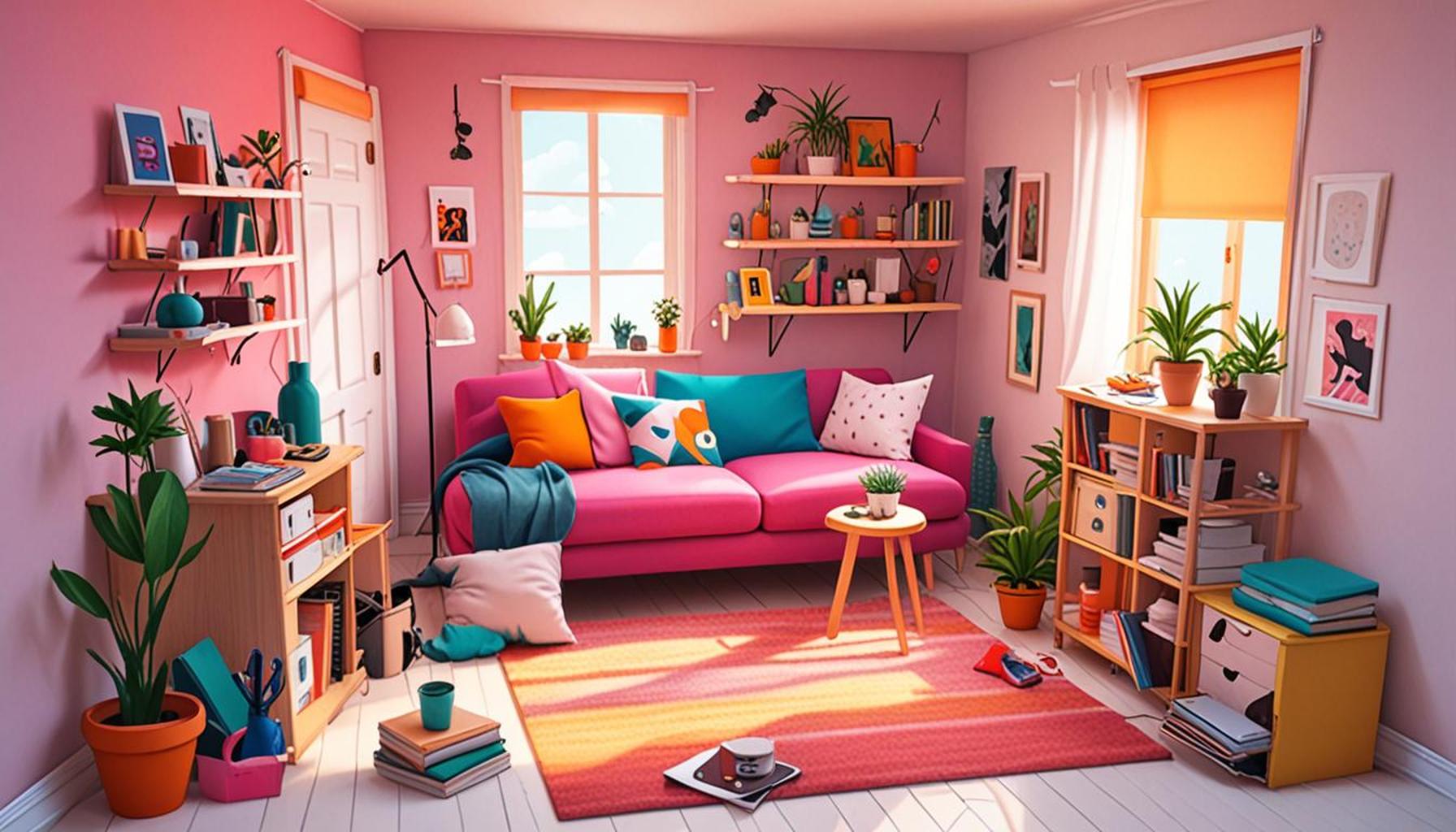
Embracing Minimalism in Compact Living
In today’s fast-paced world, the quest for simplicity and order has gained significant momentum, especially among those who live in small spaces. The principles of minimalism advocate for a life focused on essentials, promoting mental clarity and reducing stress through clean and organized environments. As urban living becomes increasingly commonplace, finding ways to effectively declutter becomes not only a necessity but a lifestyle choice.
Why It Matters
Decluttering is more than just tidying up; it’s about creating a space that truly reflects your values and enhances daily life. By adopting a minimalist approach, you can:
- Maximize available space for functionality and comfort.
- Reduce distractions that can contribute to anxiety and overwhelm.
- Streamline your belongings to better appreciate what you own and use.
This guide explores practical strategies designed to help you conquer chaos in smaller living environments. Prepare to discover our Top 5 tips that will transform your space and mindset, paving the way for a more intentional and fulfilling lifestyle.
Top 5 Practical Strategies to Reduce Clutter in Small Spaces: A Guide for Minimalists
Living in small spaces can be both a challenge and an opportunity. While limited square footage often leads to an overwhelming sense of clutter and disorganization, it also provides a canvas for creativity, encouraging the adoption of minimalist principles. For those embracing minimalism, the pursuit of a harmonious environment is achieved by effectively managing possessions. This state of clarity and purpose might seem daunting initially, but with deliberate strategies, a clutter-free lifestyle is attainable. Here, we delve into five impactful strategies that help transform any compact living area into a serene and organized haven.
5. Utilize Vertical Space
In the realm of small living, thinking in terms of square footage alone can be limiting. Instead, vertical space offers an untapped resource, waiting to be optimized for storage and aesthetic appeal. Imagine your walls as blank canvases ripe for the creative integration of storage solutions.
- Shelves: Floating shelves are not just a means to store items but also to display them. Books, small decor, or even curated art collections can highlight personal tastes without taking up floor space.
- Hooks: Versatility is key. Wall hooks can range from sleek modern designs to vintage-inspired pieces, suitable for hanging daily essentials like coats, bags, or even kitchen utensils, saving valuable drawer space.
- Stackable Furniture: Stackable chairs or tables bring flexibility into home dynamics. Whether hosting guests or optimizing daily routines, these pieces offer space-efficient solutions that can be tucked away effortlessly when not required.
By maximizing vertical space, not only does clutter diminish, but the room gains a sense of dimensionality and order. This approach requires a balance of form and function, integrating storage without sacrificing design integrity or personal style.
4. Implement a “One In, One Out” Rule
Minimalist living demands a conscious approach to consumption. The “one in, one out” rule offers a straightforward yet effective method for managing belongings.
Whenever tempted to purchase or accept something new into your home, reflect on the necessity and value of your current items. This rule is a safeguard against impulsive acquisition, promoting intentionality in shopping habits. It’s beneficial to maintain an inventory of possessions, noting items infrequently used, to make room for the truly essential.
The essence of this rule extends beyond physical space. It challenges lifestyle choices and values, fostering satisfaction derived from owning fewer but more meaningful items. By doing so, residents are encouraged to cherish their space and newfound freedom from clutter.
3. Embrace Multi-Functional Furniture
In compact spaces, every item must justify its presence. Multi-functional furniture is not merely advantageous; it is imperative to maintain order and flexibility.
- Sofa Beds: These pieces serve dual roles, becoming indispensable in small apartments or studio settings. They offer comfortable seating and readily transform into beds for overnight guests.
- Storage Ottomans: Multifaceted by design, storage ottomans accommodate seating needs and offer concealed storage, ideal for blankets, magazines, or children’s toys.
- Folding Tables: Adaptable to various needs, they serve as dining tables or workstations, folding away neatly when not in use, thus liberating space for other activities.
Choosing multi-functional furniture allows smaller living areas to be versatile and adaptive, ensuring that every piece contributes purposefully to the home’s visual and functional balance.
2. Regular Decluttering Sessions
Clutter does not accumulate overnight, and neither should the task of reducing it. Establishing a consistent decluttering schedule is a proactive measure to maintain a minimalist lifestyle.
Consider monthly decluttering sessions to prevent the gradual buildup of unused items. During these sessions, evaluate each possession with criteria such as: Do I love it? Do I use it? Would I purchase it again? Such questions cultivate introspection, facilitating the release of objects that no longer serve a purpose.
The “30-Day Declutter Challenge” is a systematic approach wherein each day targets a specific area or category, like clothes on one day and kitchen supplies on another. The cumulative effect of these sessions fosters a clearer, more serene home environment, enhancing wellbeing and productivity.
1. Define Essential Spaces and Zones
One of the most profound strategies to minimize clutter is to establish well-defined spaces or zones. By allocating clear purposes to each area, the potential for disorder sharply decreases.
Start by categorizing spaces:
- Living Zone: This area should include only essential furniture. Opt for streamlined designs that accentuate spaciousness rather than clutter.
- Work Zone: Keep work materials organized in a manner that maximizes efficiency without overwhelming visual noise.
- Relaxation Zone: This should be a sanctuary, free of distractions, and equipped only with items that foster relaxation, such as a plush reading chair or a calming musical setup.
By clearly defining and maintaining these zones, the management of items becomes simpler, reducing the inadvertent buildup of clutter. A uniform direction in organizing space brings a sense of order, allowing occupants to thrive creatively and enjoy a rejuvenating living experience.
Adopting these strategies will not only transform your small spaces into functional, tranquil havens but will also instill a mindset of minimalism that emphasizes quality and purpose over quantity. This refined approach redefines living, offering a lifestyle steeped in serenity and meaningful existence. Embark on your journey to a more organized and fulfilling life today!
One effective approach to minimizing clutter in small spaces is to adopt a thoughtful organizational strategy. This involves categorizing belongings and utilizing storage solutions that maximize every inch available. For example, vertical storage options, such as shelves and hooks, can transform walls into functional storage areas, leaving more floor space open. Implementing decorative boxes or baskets can provide a dual purpose: they keep items organized while enhancing the aesthetic of the space. Moreover, incorporating furniture that doubles as storage, such as ottomans with hidden compartments or coffee tables with shelves, allows for an efficient utilization of space without sacrificing style. It is crucial to remain disciplined about what to keep and what to let go. Regularly assessing household items and donating or discarding anything that is no longer useful not only contributes to a clutter-free environment but also promotes a sense of peace and clarity.Another vital strategy is to practice the “one in, one out” rule, which suggests that for every new item brought into the home, another should be removed. This straightforward rule helps to maintain a balance and ensures that the living space does not become overwhelmed. Also, utilizing multi-functional spaces can significantly assist in maintaining an orderly home. For example, using a guest bedroom as both a sleeping area and a home office can prevent the accumulation of unnecessary furnishings and decorations. It is vital to designate specific areas for different activities to create a sense of order in the home.Lighting also plays a crucial role in the perception of space. Opting for softer, strategic lighting can make small areas appear larger and more inviting. Mirrors are another excellent tool for visually increasing space; they reflect light and create an illusion of depth, making even the coziest nooks feel more expansive.Incorporating plants can add life and a sense of tranquility to small spaces. Plants not only improve air quality but can also serve as focal points, thus enhancing the overall harmony in the environment. Choosing smaller, low-maintenance plants can prevent clutter while introducing a refreshing element to the decor.Finally, establishing habits that promote daily tidiness can significantly contribute to a clutter-free lifestyle. Taking just a few minutes each day to put items back in their designated places can yield long-term results. When everyone in the household participates in maintaining order, the effort becomes less daunting, turning the organization into a shared value and practice. Each of these strategies contributes not only to a tidier small space but also creates a more serene atmosphere, essential for those embracing minimalism. By thoughtfully considering the arrangement and purpose of items and spaces, anyone can cultivate a home that feels both welcoming and uncluttered.
Frequently Asked Questions on Decluttering Small Spaces
How do I start decluttering a small space effectively?
Starting with decluttering can often seem overwhelming, especially in small spaces where every item feels essential. Begin by tackling one area at a time, such as a closet or a drawer. This creates a manageable process that won’t overwhelm you. Ensure you have a system in place, such as sorting items into “keep”, “donate”, and “dispose” categories. Remember, the goal is to create a sense of harmony and simplicity.
What are some practical strategies to maintain minimalism in a small space?
Maintaining minimalism requires continuous effort and discipline. Adopt routines that support minimalism, such as the “one in, one out” rule—whereby you only introduce a new item if you’re letting go of another. Invest in multi-functional furniture to maximize space and organize smartly with storage solutions like vertical shelving. Regularly assess your possessions to ensure they serve a purpose and bring joy.
Is it possible to reduce clutter without getting rid of my belongings?
Yes, reducing clutter doesn’t necessarily mean getting rid of everything. It’s about smart organization and utilization of space. Use organizers, baskets, and hidden storage options to keep items out of sight. Rearrange furniture and possessions to create more open, airy spaces. Consider storing seasonal or rarely used items elsewhere, or utilizing creative wall space for storage.
How does minimalism positively impact mental health?
Minimalism can significantly enhance mental well-being by promoting a clutter-free and tranquil environment. Research indicates that a tidy space can reduce stress and improve focus. Living with fewer possessions encourages mindfulness and gratitude, allowing one to concentrate on experiences rather than material goods. This clarity and simplicity can lead to a healthier mental state, fostering emotional balance and peace.
What are the common pitfalls to avoid when decluttering small spaces?
A common mistake is trying to declutter everything in one go, which often leads to fatigue and frustration. Avoid keeping items out of guilt or obligation, and ensure you don’t fall into the trap of buying storage solutions that still promote excess. Instead, focus on curating rather than collecting, and continually evaluate the true necessity of each item. Remember, the objective is to enhance the quality of life through simplicity, not deprivation.
Conclusion
In navigating the quest for a minimalist lifestyle, especially within small spaces, it becomes increasingly apparent that simplicity is not merely a trend but a path to clarity and tranquility. This article has explored top strategies such as prioritizing multifunctional furniture, implementing smart storage solutions, and making deliberate choices about possessions as pivotal elements in crafting an organized living environment.
These practical strategies serve as an essential guide for those committed to embracing minimalism. By rigorously assessing the utility and joy derived from each item, one can reduce clutter effectively. This approach allows for a more intentional living experience, where every chosen piece serves a defined purpose.
The Importance of Intentional Organization
Embracing minimalism goes beyond aesthetics—it has profound implications for mental health and personal well-being. A well-organized space can reduce stress and enhance productivity. Understanding the significance of each item’s placement within one’s home fosters an environment that not only supports daily needs but also enhances a sense of intentional living.
Ultimately, the journey towards a minimalist lifestyle in small spaces requires continuous introspection and an ongoing commitment to organization. The focus should always remain on what truly adds value to one’s life. This guide emphasizes that a clutter-free environment is achievable through conscious decision-making and practical strategies tailored to individual needs.
Readers are encouraged to delve deeper into the philosophy of minimalism and discover additional ways to enhance personal spaces while maintaining simplicity. The information presented here is just the beginning of a transformative journey that promises not only a tidier home but also a more serene and fulfilling life. By embracing these principles, minimalists can unlock the hidden potential within their small spaces, experiencing a newfound sense of freedom and contentment.
Related posts:
Practical Strategies to Reduce Clutter in Small Spaces in Nigeria
Reducing Disorder in Work Environments: Strategies to Enhance Productivity and Creativity
Mental Disorder: How Reducing Physical Items Can Calm the Mind and Increase Productivity
The Importance of Reducing Clutter for Mental Health and Well-Being in Modern Life
Digital Organization: Reducing Virtual Clutter in a Connected World
Minimalism and Spirituality: How Reducing Physical Items Can Deepen Personal Connection

Linda Carter is a writer and organization expert specializing in minimalism and personal organization. With extensive experience helping individuals create clutter-free, functional spaces and adopt mindful habits, Linda shares her knowledge on our platform. Her goal is to empower readers with practical advice and strategies to simplify their lives, stay organized, and achieve a sense of calm and balance in their daily routines.